Episode Transcript
[00:00:00] Speaker A: Every crime has a story.
Every case has another side.
Real crimes uncensored and raw memoirs from an award winning criminal defense attorney.
This is the dodcast.
[00:00:17] Speaker B: Welcome to another episode of the dodcast where we bring you real crime.
Nothing is rehearsed Uncensored Raw.
Today I have a very special guest with me and we're going to do things a little different this time because every single time we come on the show, the person sitting in that chair has been accused of a pretty bad crime. And the fact that they're sitting in that chair is a complete miracle when they come into the studio.
But today we're going to do things a little bit different because with all the things going on with college football, the NFL, we're going to talk about a lot of things, including crime in the NFL, mental health in the NFL. We're also going to talk about this new Dishon love guy, this new character that just got arrested last week for duping these Girls out of $1.3 million.
Every week when I come on the show, I always say that the person sitting here with me, it's a miracle that they're here. It's a miracle because it's a statistical improbability when I bring clients on that are charged with murder and that they're sitting here. And how do we relate this back to my friend that I have on today? He played in the NFL, so I thought about it. Well, he played in the NFL. I bring on clients that are acquitted of murder. So I looked up the chances of somebody being acquitted of murder versus somebody playing in the NFL. And, and the fact that he's here today is more of a miracle than all my other guys that I had on the show that were acquitted of murder. Because in the United States of America, less than 3% of people that are accused of murder are acquitted. Less than 3%.
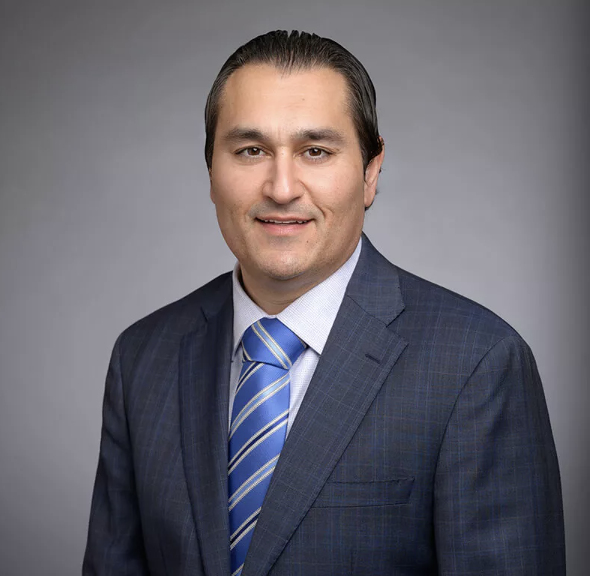
That number is way smaller for someone's chance to make it to the NFL. In fact, in the United States of America to play in the NFL, you have like less than a 1% chance. In fact, you have a.0025% chance of playing in the NFL. So all the other clients I bring on and I say it's a miracle that they're here. It's a miracle that he's here because it's again, a statistical improbability to play in the NFL. And I'd like to introduce my friend, Dalen Mack. How are you? Thanks for coming.
[00:02:43] Speaker A: Doing great. Doing great. Thanks for having me.
[00:02:46] Speaker B: First thing I want to talk to you about Dalen is this whole thing with the desean Love that just broke the news about a week ago, and if you guys don't know what happened, this guy pretended like he was playing for the 49ers. He pretended like he was a wide receiver on the 49ers. He would post videos of himself with the 49er helmet, you know, on the sand here in San Diego doing a bunch of drills.
Looking like a complete amateur, though. You saw those videos, right?
[00:03:13] Speaker A: Yeah, yeah, I saw.
[00:03:14] Speaker B: What did you think about his footwork?
[00:03:16] Speaker A: Footwork looked, you know, as a guy that played in the NFL, you know, it's very. It was very obvious that, okay, this isn't an NFL wide receiver.
Probably couldn't pass for a high school wide receiver, honestly.
But, yeah, I was. I remember talking to my wife about it. She's like, I can't believe these girls fell for that. And she's. And I told her, I was like, well, you know what it's like to date an original NFL player, so that's probably why you weren't fooled. But, yeah, he.
It was. It looks very obvious. I haven't seen many NFL players, if. If any at all go to the beach with their. With their helmet.
[00:03:49] Speaker B: With their Niner helmet on. With any helmet on. What do you think the reaction is? I mean, obviously, you don't play in the NFL anymore. What do you think the reaction is of NFL locker rooms right now knowing that this guy duped a bunch of women out of money?
[00:04:03] Speaker A: Oh, yeah, It's. It's all. I mean, it's.
It'd be hilarious, honestly. I think the Niners specifically are having a great time with it just because it was their team. You know, he was acting like he was a part of all the. The social media accounts, you know, are all making fun of it with the. With the final cuts and stuff like that, saying, oh, we released Dejan Love, so it's. It's fine.
[00:04:27] Speaker B: Have you called or texted any of your NFL buddies about it?
[00:04:30] Speaker A: No, no, no, I haven't.
I haven't talked to any of my NFL buddies about it, though.
[00:04:37] Speaker B: So let's talk about. I want to talk a little bit about you. And then we're going to get into, you know, players in the NFL that have actually committed crime, been convicted of certain charges.
Where did you grow up?
[00:04:51] Speaker A: I grew up a small town, Gladewater, Texas. It's like, I guess the biggest city that we're close to is Longview. It's like 20 minutes away. That's where my dad's from. My Mom's from Gladewater, but yeah. Small town, Glaywater, Texas.
[00:05:05] Speaker B: Where did you go to high school?
[00:05:06] Speaker A: Gladewater high school. Had 144 in my graduating class. Very small, very small school.
[00:05:13] Speaker B: You were the number one ranked high school football player coming out of Texas.
[00:05:19] Speaker A: Yep.
[00:05:20] Speaker B: How did that feel?
[00:05:22] Speaker A: Felt looking back at it? It's probably a much bigger deal than I.
Than I felt at the time, just because of how rare it is in Texas being like, you know, pretty much the top state for football.
[00:05:36] Speaker B: Texas is the mecca of high school football.
[00:05:38] Speaker A: Yeah. Yeah.
[00:05:38] Speaker B: And to be the number one ranked high school football player coming out of Texas is a huge deal.
[00:05:43] Speaker A: Yeah. Very, very huge. I wish it was.
I wish the NIL era was around when I was. When I was coming out, because I would have. Would have definitely made a lot of money off of that. So that.
[00:05:54] Speaker B: That's. That's kind of where I wanted to segue to, is the nil because. What year did you attend high school?
[00:06:02] Speaker A: 20. I was 2012 through 15.
[00:06:06] Speaker B: There was no nil at the time.
[00:06:07] Speaker A: No, no, no, no, no.
[00:06:09] Speaker B: Had there have been nil being the number one ranked high school football player out of Texas, what kind of deal do you think you would have had?
[00:06:19] Speaker A: I would have definitely been a millionaire for sure.
[00:06:22] Speaker B: Coming out of high school.
[00:06:23] Speaker A: Coming out of high school, Multi millionaire. I'm not sure.
I'm not sure how I would have handled that. You know, I. I was pretty closed off to a lot of things. You know, once I got to college, I saw, like, a lot of things that were just being in a bigger city, coming from a small town, kid. So there. There was a little bit of an adjustment period.
I'm not sure how I would have handled, you know, being a millionaire at 18 years old, coming from a small town.
It would have been. It would have been a huge change. It would have been a huge change.
You know, I. I wish I could have experienced it just because, you know, having that, you know, generational wealth would have been really nice, but I think it might have kind of just happened for a reason. You know, maybe I wouldn't have made it as far as I did if, you know, I would have got a chance to experience that. It's definitely. It's definitely new. It's definitely new.
And just getting to the NFL not even, you know, even that was like a big change, and it wasn't anywhere close to $2 million. So.
[00:07:21] Speaker B: That's an excellent point. When you say had the NIL had been around and you. You became a millionaire, at the time, you might not have made it to the NFL. What are your thoughts on the nil?
[00:07:33] Speaker A: I think the nil is good. I think, you know, when you're putting in work and you're providing value to a.
To a college, I think you should be able to make money off of. I mean, because it's you. Right. So you're going to college to make money.
I mean, that's. That's the whole goal, right. You're going to, you know, to. To set yourself up for a nice future. And the fact that you're being capped on your earnings because you're, you know, an amateur, you know that. I don't. I think that players should definitely be able to make money off of their name, image and likeness, for sure.
[00:08:01] Speaker B: But you. But you still think, though, that there is a.
As you explained, you know, some of these players that are coming in out of high school, getting these huge contracts, it might affect their chances of playing the NFL. Right, because you go to a big city, you have all this money, all these women, you're partying all the time.
[00:08:20] Speaker A: Yeah.
[00:08:21] Speaker B: So do you think that Daniel could prevent some people from going to the NFL?
[00:08:26] Speaker A: Yeah, definitely. Definitely.
And I'm sure that they probably.
You know, it's funny because you don't really get the money counseling until you get to the NFL, but nowadays, you know, the. That has to start in high school,
[00:08:40] Speaker B: pretty much like, hey, what is money counseling?
[00:08:42] Speaker A: So at the NFL, they bring in people that'll come talk to you about, hey, you know, this is the first time you're making this amount of money. You know, they try to give you meetings and stuff to, hey, this is how you can. Management. They just bring in people that are familiar with managing that type of money. Like Marshawn lynch is a guy that, that they'll bring in and he'll talk to you. And because. Just because he's like one of the top people of how he manages money and how. He said he hasn't spent any of his NFL contract, it was all endorsements. So they try to bring in people to help you manage money and stuff like that. But, yeah, you pretty much have to start that in high school now. You know, do you know if they're
[00:09:21] Speaker B: doing that now or no, I'm not.
[00:09:24] Speaker A: I'm not sure. I'm not sure. I. I would assume so. But you can never. You can never be too sure.
[00:09:28] Speaker B: But.
[00:09:29] Speaker A: But they definitely should be getting counseling because, I mean, making two, $3 million as a millionaire, I mean, like, you're making more than Your coach.
And that's something.
[00:09:41] Speaker B: That's crazy.
[00:09:41] Speaker A: Yeah. That's something that college players have never dealt with. Like, you're making more than your coach, you know, That's. That's kind of insane.
[00:09:47] Speaker B: Yeah.
So number one ranked high school football player out of Texas. You obviously had offers all over the country.
[00:09:55] Speaker A: Yeah.
[00:09:55] Speaker B: Talk about that.
[00:09:57] Speaker A: Yeah.
So originally, I thought I was going to be a baseball player. You know, I only started playing football when I got to the eighth grade, so.
But the coaches I had actually came from, we actually got the offensive coordinator and defensive coordinator from Longview, and Longview had, like, they had Trent Williams. Just a lot of, you know, D1 players that went on to have successful NFL careers.
So them coming there, I think, kind of helped me move up the ladder in terms of, like, my skill level and my play. And I was able to, like, quick, quickly grasp it. I was a bigger kid, fast, strong, so I was able to. To quickly grasp it. And then I really just wanted an offer to, you know, to Baylor. Honest. Like a small school.
I didn't. You know, I thought, like, okay, Baylor, you know, it's close to home. You know, I didn't want to go too far from home.
And I ended up having to offer to every school in the country except Baylor, which was hilarious to me because me and my dad would always laugh about it. Like, wow, we have a school to Ohio State, Stanford, like, all these schools. And, you know, Baylor, the school that I actually wanted to go to originally, didn't offer, and I said it in an interview, and then I guess it got out, and like, two or three hours later, like, someone from Baylor came over and was like, hey, we want to offer you a scholarship. And I'm like, okay, well, you know, it's a week till signing day, but all right.
[00:11:19] Speaker B: Who'd you sign with?
[00:11:20] Speaker A: Sign with Texas A and M. Why'd you choose them?
It was a very tough decision because growing up, my dad was a Longhorns fan. So obviously, you know, you kind of do what you, you know, you watch the Longhorns.
And so I was a Longhorns fan growing up, but things were very different. You know, when I took my visit, I was like, man, this is, you know, was one of the dream schools of mine. And, you know, you take a visit and things don't really live up to the hype.
And then Texas A and M, it just got to the sec. They're on the rise. The Johnny Manziel train.
So I ended up going.
[00:11:56] Speaker B: Manzel wasn't there at the time. You were there?
[00:11:57] Speaker A: No, no, no. He wasn't there. He wasn't there. But this.
[00:12:00] Speaker B: Who was your quarterback at the time?
[00:12:03] Speaker A: I had Kyler Murray and Kyle Allen and Jake. I had three at three. Yeah.
[00:12:08] Speaker B: And you show up to college and you're a freshman and you have a roommate who's pretty famous now.
[00:12:16] Speaker A: Yeah, who's that? Kyler Murray. Yeah.
[00:12:18] Speaker B: Talk about him a little bit.
[00:12:20] Speaker A: Yeah, we were good friends coming out of. Coming out of high school. You know, I remember we met.
We met on a visit at A and M. You know, we kind of just linked up from there, just became good friends and it was like, hey man, you know, I was the number one player in the state, he's number two. And we're like, hey man, you know, we should probably go to the same school. And he's like, yeah, you know, we were all in on it.
And so we ended up going to Texas A and M.
Tyler Murray was
[00:12:46] Speaker B: number two to you?
[00:12:47] Speaker A: Yeah. You know, it's funny, I actually told him. I told him. I was like, man, I think you actually should be number one. I thought he was number one player in the country, to be honest.
But yeah, they kind of couldn't get past his height. And I'm just like, well, he's a unique one of one player.
[00:13:02] Speaker B: You know, he even got drafted in the major leagues.
[00:13:05] Speaker A: Yeah. Yeah, baseball.
[00:13:06] Speaker B: So he got drafted in the mlb, Went to.
Started with you at A and M. What happened to him?
[00:13:15] Speaker A: Ended up having a rough stint at A and M.
They kind of gave him a raw deal. You know, he kind of got an altercation in the Alabama game where cussed the coach out.
And then, you know, they just. The handling of the Kyle, the back and forth of the QB competition, you know, kind of just made him want to go elsewhere. And it obviously worked out. You ended up going to Oklahoma and winning the Heisman. But yeah, the handling of the quarterback competition was definitely mishandled. And we ended up losing both Kyle and Kyler.
[00:13:47] Speaker B: Well, when you say Kyler had a little, I guess, altercation with the coach.
Nobody knew about that.
[00:13:53] Speaker A: Nobody knew. So he came to the house afterwards and he told me he knocked on the door. He was like, hey, man. I was like, what's up? He's like, yeah, I just cut Spav out. I was like, what? He was like, yeah. And I was like, what'd they say? He's like, they didn't say anything. And I was like, okay. And then the following week, Kyle Allen, we play Ole Miss and Kyle goes like 3 for 24 and everyone in the stand's like, why are we not putting Kyler in? And all that stuff. And, well, this is why, you know, he's kind of on punishment right here. But we put him in the following week against South Carolina. I mean, he played amazing, threw for like 250, ran for like another hundred, was the SEC player of the week. So, you know, it kind of looked like that was the. That was where we were going to go, the direction we're going to go. And then they mishandled it again. They put Kyle back in and it's just like, okay, man. The back and forth is, you know, kind of unfair because Kyle got his chance, it's time for Kyler's chance. And I mean, both were great players, but, you know, it was definitely time for Kyler to, you know, prove that, you know, it was his team now. And they mishandled it and then we ended up losing both. So we didn't know nobody won in the end.
[00:15:01] Speaker B: Who else did you play with at A M that made it to the NFL?
[00:15:05] Speaker A: I played with a lot of Miles Garrett.
Christian Kirk.
[00:15:09] Speaker B: Your mom, Miles Garrett's mom and your mom are best friends, right?
[00:15:11] Speaker A: Yeah. Yeah.
[00:15:12] Speaker B: They still talk.
[00:15:13] Speaker A: Yeah, they. They talk. She goes down. She was going to Cleveland, which is crazy because my mom hates the cold, but, you know, that's where. That's where Ms. Garrett is at. And she goes down there and they always watch like two or three games a year, but I'm sure she doesn't mind going to la.
[00:15:27] Speaker B: And now that we're on the. On the Myles Garrett topic, I want to give a shout out to the Cleveland Browns, obviously, because my wife and their whole family, the Chobani family, they're huge Cleveland Browns fans. We go to, you know, one to two games per year. And when I told them that, you know, you know, Myles Garrett, can we meet him? Right.
So I want to give a shout out to my wife's family. As far as Miles Garrett, do you still keep in contact with Miles?
[00:15:56] Speaker A: Yeah, yeah, we still talk here and there. Yeah, we still talking.
[00:15:59] Speaker B: Talk about your career at A and
[00:16:00] Speaker A: M.
Started off hot, you know, I came in as five star. I had a great explain to the
[00:16:07] Speaker B: viewers what, what's a five star?
[00:16:08] Speaker A: So a five star recruit. So the highest you can get is five stars. And then after that I'll go like, like a rating like 99, 98 to. To 100.
There's like 1 star, 2 star, 3 star, 4 star and 5, 5 is where you, you know, the highest of the Highest where you want to be, schools try to get as many five stars as they possibly can. So I was. I was definitely on the higher echelon of the ranking system.
[00:16:31] Speaker B: What do you know what goes into their ranking? Like, what's the difference between a four star and a five star?
[00:16:38] Speaker A: Not much, honestly. It's just where I'm actually not sure what goes into their rankings, honestly, because we've. We've seen them get it wrong so many times where a guy will be like, a three star, and then they'll end up playing, you know, so I'm guessing it's like, maybe, you know, what your highlights look like or your competition or. You know, I'm actually not sure how the rating system goes, but, yeah, I ended up being a five, though. I'll never forget the day the rankings came out. I was like, wow, you know, I'm number one player in the state of Texas, and it didn't really hit me.
[00:17:08] Speaker B: That's amazing, man.
[00:17:09] Speaker A: Yeah. Yeah.
[00:17:10] Speaker B: So you play all four years.
You enter the NFL draft?
[00:17:17] Speaker A: Yes.
[00:17:18] Speaker B: Where did you get drafted?
[00:17:20] Speaker A: Baltimore Ravens. 2019, fifth round.
[00:17:23] Speaker B: What number?
[00:17:24] Speaker A: 100. 60th pick.
[00:17:25] Speaker B: When you heard your name, what did you think?
Did you get a phone call before?
[00:17:30] Speaker A: Got a phone call, Yeah, I remember.
So I knew I wasn't going in the first round. Second round, I thought there was a chance I was gonna go to the Cowboys because I did a private workout for them, so it didn't go in the second or third.
And then I remember going home being, like, a little bit upset about it.
And then the next day, we're watching the draft with the family, and my grandma's there, and she's like, damn, Dalen, are you gonna get picked?
I'm sitting there like, shit, I hope so, because, you know, it's getting late for me, too. And then we get to the fifth round, you know, and Baltimore calls, and I'm like, okay. I kind of had a feeling I was going to Baltimore because when I was at the Senior Bowl, I was doing a lot of private stuff with them.
[00:18:12] Speaker B: Yeah.
[00:18:12] Speaker A: So that kind of shows that, you know, they were. They were really, really, really interested.
[00:18:18] Speaker B: What I want to talk about now is this whole new college football thing that just came on the scene a couple weeks ago. Now we're having former NFL players go back to college. I mean, specifically the whole lsu, Lane Kiffin thing that's going on. What do you. What do you think about NFL players coming back to college football?
[00:18:38] Speaker A: I don't. I don't really think that's right. I don't really think that I even had a big problem with Indiana winning the national championship this year just because their team was like 25, 24. I mean, you know, when I, when I played, when I was a freshman, I played against Derrick Henry and that was his highest. When you ran for like 2000 yards
[00:19:00] Speaker B: A and M against Alabama.
[00:19:01] Speaker A: Yes. And I was 18 years old.
By the time Derrick Henry was 25, he had had like a 2,000 yard rushing season in the NFL. So we have a team that was on Indiana, like multiple 25 year old players playing against 18 year olds. And it's just, you know, props to them. Indiana, they won, but players being six, seven years. And I understand like you lost a year because of COVID but some players are just staying just because of the nil.
And I think it's fine.
The transfer portal is the problem that I think is the actual problem with college football because there's no more depth if you're the second. If you're second string on an SEC team, you're likely first string on an ACC or a Big Ten team. So why would you want to play second string when you can go be first string and make all this money? You know, I think the portal is what's really messed it up. I don't think there's a problem with you being able to make money off of your. It's you, you know, that you, you're in college to be able to better your future. So you shouldn't be capped on how to, on how to do that just because you are considered an amateur. So I think the nil part is it's fine, but the whole coming back, you know, and it just, it doesn't make sense. And I can't blame Lane Kiffin because it's. He's right what he said. It's like you either play against him or you play with him.
So I get it, but I just really don't like what it's endorsing. You know, there's just, there's too much. I think being 25 years old or going through an NFL training camp and then coming back and playing like that doesn't. It's ruining the sport for sure. And, but people want to link to the higher ups want to link it to nil because they're not making all the money now and it's not nil, it's the transfer. Yeah, I see.
[00:20:47] Speaker B: There's no more red shirt now in college football.
[00:20:49] Speaker A: Yeah, there's, there's no point. Why would you red shirt when you can go make money.
[00:20:54] Speaker B: Five years and five years, right?
[00:20:55] Speaker A: Yeah.
[00:20:56] Speaker B: What do you think about that?
[00:21:01] Speaker A: Say it again. Five years and five.
[00:21:02] Speaker B: Yeah.
[00:21:02] Speaker A: The.
[00:21:03] Speaker B: The. The new rule is they have five years to play.
Five, right?
[00:21:08] Speaker A: Yeah. Yeah.
[00:21:09] Speaker B: They're taking away the red shirt year.
[00:21:12] Speaker A: Yeah. I mean, no one's redshirt in any ways, which, you know, red shirt.
There's so many people that are, you know, benefited from a red shirt year, and no one wants to sit. And the thing that I really didn't like was the. The Ole Miss quarterback. I think he's coming in, like his sixth year, and I'm like, dude, if you would have came out this year, you would have been. He would have been in the. Drafted in the first round. Probably the. The pick that the Rams used on Kyle Simpson, that probably would have been him.
[00:21:37] Speaker B: Yeah.
[00:21:37] Speaker A: You know, and he was like, literally.
I've never seen a player that is almost.
I'll never say guaranteed to go in the first round, but he was a pretty hard lock to go in the first round given how strong the quarterback class was. And he was going through an entire extensive case trying to come back and play college football. And I'm just like, this is. This is how far it's gotten now.
[00:22:03] Speaker B: So you're drafted by the Ravens.
Talk about the first day you show up to an NFL training camp.
[00:22:14] Speaker A: First day.
You know, they normally have the rookies there early. You go through rookie minicamps and rookie OTAs, but then when the actual vets get there, it's. It's way different. You know, I remember my first day and I consider myself strong. You know, at the combine, I did 30 reps of 225, which is like, I think top three.
I go to the NFL locker room or to the. To the weight room, and the, you know, the vets are in there lifting and the D line's lifting. And I mean, I'm. This. I'm seeing, you know, Zach Seeler, Chris Wormley, Brandon Williams, you know, do four, like four sets of 10, 450.
We got Michael Pierce, who is like 360, doing like three sets of 10 on, like, pull ups. And I'm just like, okay, like, this
[00:23:03] Speaker B: is the big boys now.
[00:23:04] Speaker A: Yeah, it was. It was definitely a. It was crazy. And the Ravens are known for having. We had the hardest conditioning test. It was insane. I think they took it away now, but we had the hardest conditioning test.
That was the strongest I had ever been in my life.
[00:23:19] Speaker B: Lamar Jackson was there at the time.
[00:23:21] Speaker A: He was.
[00:23:21] Speaker B: Yeah. Talk about him.
[00:23:23] Speaker A: It's coming up on his first year, he was.
[00:23:26] Speaker B: He wasn't the Lamar Jackson that we know now when you played, right?
[00:23:29] Speaker A: No, no, he was. So he was.
He was still Lamar. He still had his Heisman. We actually joke about that because we played against each other in a bowl game our freshman year, and they beat us in the bowl game. And that next year, he went on to be like Lamar with the Heisman, all that stuff. But then he's restarting, you know, just got the job from Flacco the year prior for the last six games. So it's his first year.
He put one together, that 2019 MVP run. We ended up going 14 2, you know, and I'm thinking, I'm gonna get a Super bowl my rookie year. I'm like, man, this is perfect.
[00:24:04] Speaker B: Yeah.
[00:24:04] Speaker A: You know, then we lose to the Titans, which is. You know, that's still.
That was my first time experiencing, like, what it's like when the season ends. Because you.
In college, it's always been scripted like, you know, the season's gonna end after this game.
[00:24:19] Speaker B: Yeah.
[00:24:21] Speaker A: And so in the NFL, you know, I'm thinking, oh, you know, I'm gonna play for three or four more weeks. And then we lose to the Titans, and I come home and I'm sitting on the couch, and I'm just like.
I guess we just go on vacation somewhere now or go to Cancun.
[00:24:33] Speaker B: What do you do in the off season?
[00:24:37] Speaker A: We just train.
So my first NFL offseason, I didn't even get a chance to actually experience it because Covid hit.
[00:24:45] Speaker B: Oh, I see.
[00:24:46] Speaker A: So I ended up going to Vegas with some friends for my birthday, and then literally the next week, the whole world shut down. And we were joking with. I was joking my friends, like, hey, guys, we got to go back to Vegas to reset. To reset, everything.
[00:25:01] Speaker B: How long did you play for Baltimore?
[00:25:03] Speaker A: A year and a half.
So I played that first year, and then I got cut in training camp.
Yeah. Cut in training camp that next year. And that's where I'll say it's better for a defensive player to come to a team that. That. As crazy as it may sound to people, it's better for a defensive player to go to a team that is kind of bad, you know, where you have, like, room to make mistakes.
[00:25:30] Speaker B: Yeah.
[00:25:31] Speaker A: But when I was at Baltimore, they're kind of. They're in win now mode. Right. So with the off season acquisitions they made, you know, they drafted a dt.
They drafted two dts. They traded for Calais Campbell and Derrick Wolf. You know, we are basically our Entire defensive line changed in one off season.
And I understand it, you know, looking back, if I was playing on Madden, I would trade myself also for or release myself also for Calais and Derrick Wolfe.
[00:25:57] Speaker B: You know, what is it like? I guess, I mean, your whole life you've been playing football, right? This is your identity, this is what you know, right.
You play in the NFL and then you get cut.
[00:26:07] Speaker A: Yeah.
[00:26:07] Speaker B: How did that feel?
[00:26:10] Speaker A: It's tough. You know, part of it was my fault, you know, I wasn't in the best shape because of just Covid year. So I didn't really get a chance to have like a real off season, you know.
But yeah, I think the most important part honestly is just when you're.
That your first NFL off season is it's just like extremely important, you know, and I wish I would have been able to have like an adequate one and covet didn't happen, but I was also trying to rest. I mean no one talks about the, the last year of college leading up into the draft, that pipeline because of how much football you're playing. I mean you, you go from January, you're working out in college, then you go through spring ball, then you go, you're working out again in May, then you go through, you know, training camp, training camp in college, the entire college season. You finish, you get ready for the combine immediately and then after that you go through the draft, then you got to do private workouts.
[00:27:14] Speaker B: No time to breathe at all.
[00:27:15] Speaker A: I mean, there's no time. Then you go through the, the longest season of your life, which is the NFL.
So like you, no one really talks about that and how hard it is because I mean it's, it's literally like two years of just like non stop, super important grind. So when you get that first off season, you kind of want to relax and that's, that's kind of what I did. So I showed up a little bit out of shape and like I said, like it's. When you, when you play for a team that's in win now mode, when you make those mistakes, they don't really have the patience for it.
[00:27:43] Speaker B: Interesting. If you were to have to do it all over again, what would you
[00:27:46] Speaker A: have done that first off season, that first offseason? I would have just, I would have just moved back to. I tried to stay in Baltimore and like train on my own, but I would have just moved back to Texas, got like a house, got like a little condo for like two or three months and just, and just trained there.
[00:28:03] Speaker B: Do you think a lot of NFL players who, you know, play in the NFL, then they get cut. Do you think a lot of them go through depression and have mental health issues after that?
[00:28:13] Speaker A: Yeah, I mean, there's so many. And just because this is, you know, you think this is gonna be it.
You know, thank God for my wife, you know, there to keep me grounded and, you know, just keep. She kept looking at the opportunities and different stuff that she thought I'd be good at. And that's how we found air traffic control, you know, and, you know, I go take the test and get best qualified and I mean, I cried. Like, I mean, I just, I had never.
I didn't even cry when I got drafted.
[00:28:44] Speaker B: Yeah.
[00:28:44] Speaker A: You know, and then I end up getting best qualified on the air traffic exam.
[00:28:47] Speaker B: And you start crying.
[00:28:48] Speaker A: Yeah. And I'm just like, wow. You know, just. But it's just, you know, just a second life. You know, it's a nice high paying job. You know, you're able to provide for your kids. And the hardest part is just having a family going through it. If it was just me and I got cut, I mean, I'd be like, okay, I'm gonna be okay. But you gotta think of like the other people that are involved and who, who it's affecting and all that stuff. I think that's, that's really the toughest part. I mean, we, as a football player, you go through adversity all the time.
[00:29:13] Speaker B: Yeah.
[00:29:14] Speaker A: So getting cut, I mean, it hurts. Yeah. But you know, when it's just you and you know, you're the one that just gotta shake back. But coming in every day, coming to the house, you know, seeing your wife, seeing your kids, like, damn, you know, it's thinking that you're going to have this future for him and it's playing out differently. It's tough. Yeah, it's tough and it affects you.
[00:29:34] Speaker B: But after. So you're cut from the Ravens, what happens after that?
[00:29:38] Speaker A: So I got cut from the Ravens and I got picked up off of waivers and that was my first time seeing like how the, the NFL is or second time getting cuts the first time, you know, or one of the many times that the NFL is a business. So I got picked up off of waivers by the Lions.
And some people will just pick you up off of waivers just so another team can't get you even if they don't have a plan of like playing you. So I get, I get picked up off of waivers from the lines and never been injured in my life.
And I do the MRI and all that stuff. And then they come back with the results and say that, hey, you didn't pass your physical.
I'm like, how? Okay, let me go take it again. And there's like, no, no, it doesn't work like that.
[00:30:23] Speaker B: Really?
[00:30:23] Speaker A: Yeah. And so I, so I go talk to my, to my agent and I'm just like, what the. You know, how did, how did.
I didn't pass my physical? Like, you know, because I'm only a year removed from the combine, where the entire league pulls on your joints, test you, all that stuff. I mean, the, the combine is like a, like a meat cell. You're just walking around in like spandex and you're just getting on tables and just letting all these doctors come and touch you, feel on your legs and all that stuff. Go through your medical history, you know. So when they, when they said that I was okay, I talked to my agent. He's like, yeah, they kind of just did that. So, like, no one else would claim me off waivers.
[00:30:59] Speaker B: So they lied.
[00:31:00] Speaker A: Yeah, they basically lied. But I mean, you can. It's the same thing with like, Max. Max Crosby. I mean, if. So if a team really wanted you, they pass you no matter. Even if they don't think you're clear on the waivers, they pass you no matter what. Yeah, but there's nothing you can really do about it. You know, I can't go sue them, be like, oh, I didn't pass my physical. It's just up to their team doctor if they want to pass you. And people have got passed with known broken ligaments and they're like, hey, we want them so bad. It just doesn't matter. So it's very.
That was my first taste of, you know, okay, this is what it's like in the NFL. Wow.
[00:31:36] Speaker B: So you're picked up off of waivers by the Lions, you don't pass the physical.
[00:31:40] Speaker A: Yeah.
[00:31:41] Speaker B: What happens after that?
[00:31:43] Speaker A: So they don't sign me, I go back on waivers. But it doesn't matter anymore because no one's going to pick you up off waivers if you just failed a physical. So I had to go get a second opinion from a doctor in Dallas that, well, respect Doc, can't remember his name, but a well respected doctor.
And I had to basically get him to basically make a memo and send it out to teams and let him like, hey, he's healthy, you know, and this is like a week later. So I was like, there's no way I'm gonna get healthy in a week. If I just fell to physical last week, I might have not even been a week later. It might have been, like, two or three days later. And so now we're in Covid.
And so workouts during the COVID season is, like, awful because you have to go there.
You have to wait a week until your workout because you got to go there. They got to put you in a hotel room. You got to take COVID test every day before they can bring you in the facility, work on you, and actually work you out.
So I did that with a couple of teams. So I went to the Bears, right? Worked out with the. Stayed there a week, worked out with the Bears.
They didn't sign me. They signed somebody else. I'm like, okay, go to the Commanders, Stay there a week, work out with them.
And the day before the workout, they had, like, a Covid spike, so they couldn't even bring me in to work out. They had to bring me back another time. So I'm like, okay. So I'm. Basically, the NFL season's going on, you know, and I'm, you know, I'm doing all these workouts, and I'm missing all this stuff, and I'm like, okay, I'm trying to get on a team, but, like, you know, every time you don't sign, another week goes by.
And so I go work out with the Dolphins. You know, they didn't sign anybody there. So finally, I get to the Cardinals, and this is, like, about to be Chris Thanksgiving time. I work out, they sign me. I play. I'm like, okay, good. I'm back on a team. It's all good.
[00:33:37] Speaker B: Reunited with your buddy, huh?
[00:33:38] Speaker A: Yeah, yeah, Kyler was there. Yeah, Kyler and Christian Kirk both play. Play with them both in college. And, you know, more pop. More politics happened in that as well with my. With my Cardinal stint, because they brought in three guys, and they said, hey, you guys are gonna have to play this week. But they ended up going with the. The older guy. I'm like, okay. So.
So basically, the whole stint after the Ravens is. Was kind of just been, like, political,
[00:34:08] Speaker B: you know, just bouncing around.
[00:34:10] Speaker A: Yeah, team to team. Yeah, just bouncing around. Team to team. I did. So after the Lions thing, forgot to mention this, I did do training camp with the Giants, but when you get to training camp late, the rosters are kind of already decided, and. And there's no preseason games.
So I remember. I mean, I was playing great all throughout training camp and really thought I was supposed to make the team, but they ended up going with the guys that had kind of just been there, and it was. They had Just had a new coach.
And so I leave there, and the packers pick me up. And I signed with the Packers. So this is week one, right? The packers play the Vikings.
I had just signed with the practice squad, and Kenny Clark gets hurt. I'm like, okay, well, Kenny Clark gets hurt. Now I'm about to play, you know, and so I'm texting Coach, like, hey, Coach, you know, I can come in there and meet you for some film, you know, just because Kenny got hurt. I know I'm about to play. And he's like, yeah, you're right. You're gonna have to play. So I'm getting ready to go watch film, and then they call me and say, hey, yeah, we're releasing you.
I'm like, I'm getting ready to go meet coach to watch film, and I'm just getting released now. Wow, man. Like, yeah, we want to bring in an older veteran guy.
And I'm thinking, okay. So I'm talking to my agent, and that's when I started doing the bouncing around and working out for teams. And so you kind of get burnt out on the politics of the situation because there's nothing I was doing, you know, I was playing fine, but it's just preference, you know, and guys wanted to bring in their own guys and all that stuff. So it. That part. The politics of the league, really.
It really. That. That part really weighs on you. And I even got to the point where I was like, you know what? I kind of just. I kind of just don't want to do football anymore.
[00:35:57] Speaker B: I see.
So, you know, this is a crime show, so we're going to start talking a little bit about crime. NFL. A question I want to ask you is, does the NFL offer counseling or mental health treatment for their players?
[00:36:16] Speaker A: Yes, they do, but it's not like.
It's not as you have to go out your way to get it.
[00:36:26] Speaker B: I see.
[00:36:26] Speaker A: You know, it's not as, like, publicly.
It's not really publicly offered. It's like, hey, you know, you kind of talk to your chaplain and, hey, you know, I need this. You kind of go tell them what you need, but it's not really brought to you, if that makes sense.
[00:36:44] Speaker B: Do a lot of. Or do you think players on NFL rosters suffer through depression?
[00:36:49] Speaker A: Yeah, yeah, I think so. Just because so much is tied into your performance, you know, if you.
[00:36:54] Speaker B: Are they getting treatment for it or they kind of just sweep it under the rug?
[00:36:57] Speaker A: I think it's swept under the rug, yeah, very much swept under the rug.
You know, you can't tell me that, you know, a team going that. That's 0 and 11 some.
There's got to be like 20, 50 guys, maybe even 50 guys on the team that's, like, depressed at that point.
[00:37:13] Speaker B: Yeah.
[00:37:14] Speaker A: Coaching staff, too. I mean, you know, you're trying to get a plan together. And I think Justin Fields was another, you know, playing for the Jets. I mean, they're losing every game. The social media is bashing on them. And, you know, he's. I mean, I remember him saying he just went to the closet and just started crying.
[00:37:30] Speaker B: Wow.
[00:37:31] Speaker A: Yeah. I mean, it's tough because, you know, you. You. You try to. You try to play well. You know, the fans are so tied into it, and, you know, there's just a part that they don't. They don't really get. You know, they just think it's like someone just watching someone on tv, but it's an actual person.
[00:37:45] Speaker B: Yeah.
Yeah.
[00:37:46] Speaker A: So.
[00:37:47] Speaker B: So, you know, you said you think the NFL kind of sweeps the whole, you know, mental health under the rug. What about, let's get into crime Now?
Are there incidents in the NFL where players commit a crime never hits the media, but owners and organization sweep it under the rug and no one ever knows about it?
[00:38:10] Speaker A: Yeah, I mean, that's.
Yeah, that's happened multiple times.
And you gotta protect. You gotta protect the product, you know, and it's in the NFL is. I mean, it's a billionaire business. Billionaires running.
[00:38:25] Speaker B: Yeah.
[00:38:26] Speaker A: So, I mean, to protect their product, you know, you gotta. You gotta sweep some stuff under the rug.
Even with the DeSean Watson situation, I mean, you look at DeSean coming out of Clemson, you know, with Davos Sweeney, two Christian men, you know, the whole. The whole Deshaun Watson Persona has been. He's just a good dude.
[00:38:46] Speaker B: Yeah.
[00:38:46] Speaker A: And I'm not saying he's a bad dude, but nothing bad has ever came out about him until. Until he wanted to leave the Texans. And then it's like, oh, you know, and there was all these people coming forward saying that, you know, with the massage stuff, like, oh, man. You know, I think it ended up being like 20. 20 witnesses or something like that.
And it's already hard to beat one situation.
[00:39:10] Speaker B: Yeah.
[00:39:10] Speaker A: But then when you get 20 people trying to say the same thing, you know, it's. It's like, well, I mean, do you think.
[00:39:18] Speaker B: Do you think Houston kept this on wraps until he went to Cleveland or he was about to sign with Cleveland?
[00:39:25] Speaker A: I think they kept. Yeah. Yeah. I mean, they definitely kept it under wraps. I also don't think Also, don't think that it was as big of a deal as they made it. You know, I think they were probably aware that, you know, he was probably going to like, massage parlors, and he probably wasn't the only one.
[00:39:44] Speaker B: But he's desean Watson.
[00:39:45] Speaker A: But yeah, because he's the face of the franchise, and he's the face of the franchise. So even if it was a big deal there, there's no way they can let their franchise quarterback go down. And then the fact that, you know, it just. It just ruined, like, whether he did or he didn't, the damage is done. I mean, his entire image is ruined. You got 20 people saying this about you, and then you go to the Browns and it's like, where you go to die. Yeah. Where quarterbacks go to die. And it's just like, man, you know, it's so. But I mean, it sucks. You know, I remember working out of the place I was working out and I was like, man, do you really think desean did all this stuff? And they were like, yeah, I think so. You know, because 20, 20 people coming for it. I was like, yeah, man, but you can't look at the number of people coming forward. You got to look at like what they're actually, you know.
[00:40:33] Speaker B: But so now that we're on that topic of the massage parlors, a couple weeks ago, we had a owner in the NFL arrested in Ohio for prostitution. Jed York, the owner of the Niners. Right.
What do you think the NFL reaction is? What do you think players are talking about in the locker room regarding the 49ers owner? Not only is he, you know, getting arrested for prostitution, he was at a trailer park. This multi billionaire at a trailer park. And he's not the only owner that's done this. Right. Robert Kraft did this.
[00:41:08] Speaker A: Yeah.
[00:41:08] Speaker B: Back in the day. And I'm very familiar with the Robert Kraft story because I was actually a legal commentator for USA Today on the whole Robert Kraft massage parlor incident. So we have Robert Kraft, we have Jed York. What do you think the NFL reaction is to all that? And is there a double standard? I mean, what if this. You know, there's desean Watson who just got completely scrutinized.
[00:41:31] Speaker A: Yeah.
[00:41:32] Speaker B: No one's even talking about Jed York. No one's even talking about Robert Kraft as much as they did with the NFL players.
[00:41:37] Speaker A: There's definitely a double standard.
And I wonder if it has to come with just billionaires ability to control the media.
[00:41:45] Speaker B: Yeah,
[00:41:48] Speaker A: but yeah, there's def. There's definitely a double standard when it Comes to the players, you know, the jet. The jet.
With the jet. York. And the Robert Kraft stuff. I mean, I, I just. There's no. Billionaires are clean. You know, they. They all have their stuff that they're doing, and a lot of NFL players also have their stuff that they're doing, but they just do it in a way to where it's not on camera, it's not getting seen. Well, Jed York, that's. That's literally. I mean, you're multi. There's no way you can tell me he didn't have a cleaner way to go about that. Where he's, I mean, showing up to a trailer.
[00:42:22] Speaker B: Trailer park. Yeah.
[00:42:23] Speaker A: Like, come. Like, come on, man. Like what? Like, what are we doing? Like that. That was a very dumb decision.
I'm sure he regrets it. Is he going to get punished for it?
Probably not that. We'll see. And it probably won't be, you know,
[00:42:36] Speaker B: but how do you, how do you punish an owner, though, right? I mean, you can't punish an NFL owner.
[00:42:40] Speaker A: Exactly. You can't really.
You know, he'll probably get slap on the wrist talking to like, hey, man, just carry yourself better.
[00:42:48] Speaker B: But, I mean, nothing happened to Robert Kraft. Everyone just moved on like life was normal.
[00:42:52] Speaker A: Yeah, exactly. And I want. And I honestly wonder if it's just because the owners have a way to control the media.
Like I said, there's, there's stuff goes on, but it's kind of swept under the rug. You don't hear about it, you know, So, I mean, I think it'll just blow over and won't really hear about it. I mean, people will bring it up a few years later, you know, make some jokes about it. But I mean, it won't be.
I mean, the Deshaun Watts situation, I mean, that has ruined his life.
You know, he's getting booed. I mean, this is one of the. I mean, this guy was on track to be a first ballot hall of Famer.
[00:43:30] Speaker B: Absolutely.
[00:43:31] Speaker A: And he goes to Cleveland. It goes to Cleveland. I mean, it just, just, man, it doesn't make sense. I mean, you go into Cleveland and you got this over your head. I mean, it's just the whole combination bad.
[00:43:45] Speaker B: And he's named starter to week one. Starter.
[00:43:47] Speaker A: Yeah. More politics.
[00:43:49] Speaker B: So let's.
I want to talk about. Because this is a crime show. I want to talk about some notable cases in the NFL. Kellen Winslow, Aaron Hernandez. Were you in the NFL at the time?
[00:44:03] Speaker A: No, I don't believe so. The Kellen wins. So the Kellen Winslow, I think that concluded in 21 somewhere.
[00:44:09] Speaker B: Right. And just so the viewers know, I'm very familiar with Kellen Winslow. Really good friends with both of his attorneys. Again, I was on court TV all the time for the Kellen Winslow trial. I was legal commentator for USA Today.
Very familiar with the Kellen Winslow story. Did anyone in the NFL locker rooms ever talk about Kellen Winslow?
[00:44:29] Speaker A: No, but.
No, I didn't. I didn't really.
That one. That one. Because that was the one with the kids, right?
[00:44:37] Speaker B: No. Kellen Winslow was the one where it happened up here in.
In Carlsbad where he was accused of raping five different women.
[00:44:45] Speaker A: Yeah, The. The whole.
In the NFL locker room in the rape stuff is just on. Just not tolerated. We all. We get rape survivors come and talk to us.
[00:44:55] Speaker B: Oh, really?
[00:44:56] Speaker A: Yeah, yeah, all the time. All the time. Brenda, Brenda Stacy or Brenda Tracy all came and talked to us. One time when I was at the Ravens, she actually came and talked to. To us when we were. When I was in Texas A and M as well. So she's.
[00:45:08] Speaker B: That's interesting. So the NFL brings on rape survivors to come and talk to you guys about the impact that it's had on them.
[00:45:15] Speaker A: Yeah, they. They. So we get a lot of guest speakers, and normally during training camp, whether it's to come in and talk about money, we. When I was at A and M, we. We had some of the best guest speakers. I mean, we came. We had mob bosses come and talk to us. Yeah, it was. That was one of the. The cooler ones. I can't remember his name, but it was Italian Mob boss came and talked to us and was just telling us the whole, like, how it was when he was inside and what he was doing and making it per day. And I was like, wow, this is.
[00:45:43] Speaker B: Were you playing during the whole Henry Ruggs incident in Vegas?
[00:45:48] Speaker A: Yeah. Yeah, that was. That was very.
Yeah. Was very unfortunate to hear because Henry's. Henry's, you know, Henry's a good dude. Just horrible decision that night.
[00:45:59] Speaker B: And did people in the locker room talk about it?
[00:46:02] Speaker A: Yeah, it's just, you know, unbelievable. Anytime something.
So anytime something like that happens on that type of magnitude, there's normally like a meeting and coach is like, hey, guys, I don't want to wake up to see you guys in something like this. Or let's make sure we're handling this.
[00:46:25] Speaker B: I'm not doing stuff because, I mean, the NFL is. It's like a fraternity, right?
[00:46:29] Speaker A: Yeah.
[00:46:30] Speaker B: Yeah. So when one of your members of the fraternity commits a crime, gets in an accident, kills Somebody.
[00:46:36] Speaker A: Yeah.
[00:46:37] Speaker B: Then the NFL, each team calls their own little private meeting. Right. To talk about what happened.
[00:46:42] Speaker A: Yeah.
[00:46:42] Speaker B: What do they talk about?
[00:46:44] Speaker A: Just ways to prevent it.
You know, guys putting up. You know, when that rug situation happened, you know, we had guys pulling up their. Their numbers and saying, hey, man, if y' all need a ride, let me know. I see, you know, ride service. Like, hey, guys, just, you know, just. Just let us know, you know, you want to take care of your teammates and make sure none of that stuff happens. But there's always like, a. And that's with. Honestly, that's with every, like, huge event, too. You know, even with the police brutality, you know, when I was at the Ravens, they made, like, a statement and released it. And, you know, so it's. It's always like a big, you know, coming together moment when something like that happens.
Not so much with the Aaron. The Aaron Hernandez stuff was like, that one was a little. That one was a little different because we really didn't have all the details until he had, you know, until he was found dead in prison.
But, yeah, you know, with the big DUIs and when somebody dies, you know, with the big traumatic experiences like that, there's always like a.
It's always addressed in the team meeting. We always talk about other teams, lowlights first and say, hey, look at what the Browns did to lose a football game and all that stuff. And then we'll talk about, okay, hey, guys, like, look at what happened, you know?
[00:48:01] Speaker B: Yeah, we.
[00:48:02] Speaker A: We talk about ways to prevent that.
[00:48:06] Speaker B: During your time in the NFL, there were some other notable cases. I mean, we had Alvin Kamara.
He picked up a. He picked up a case. I believe his was a gun charge out of Las Vegas. I believe Kareem Hunt. Yeah, he picked up a case on video, right?
[00:48:24] Speaker A: Yeah.
[00:48:25] Speaker B: This was during the time you were playing.
[00:48:28] Speaker A: Yeah. Remind me of the Kareem Hunt.
[00:48:30] Speaker B: The Cream Hunt was when he was on video. Well, that. That might have been the Ray Rice one.
[00:48:34] Speaker A: Yeah, the Ray Rice. So, yeah, that video is actually
[00:48:39] Speaker B: that.
[00:48:39] Speaker A: The Ray Rice situation was actually used as one of the videos. So when you're getting NFL, how to.
They talk about, you know, to avoid certain situations. And that video, the Ray Rides video, is actually used as one of the videos people talk about, like, hey, you know, like, when this happens, what to do. Oh, wow. Yeah. So we actually. We. So when I was at A and M, we actually had speakers come in and talk about, like, being cruel to women and all that stuff. And we actually go through situations.
She. She actually put us in situations like, hey, this is what you do. In this situation where she was acting out, slapped one of my teammates, you know, just. Just to. Just, just to make sure people are familiar with that situation. But, yeah, the Ray Rice situation, I mean, it's unfortunate because it ended up ending. Ending his career effectively.
But, yeah, I remember when it came out, man, it was like, oh, wow, like that. Like, he, he didn't hold back. And you can, you can tell that wasn't the first time because there's no way that you just unload like that, like on a. Like, you know, so you could tell.
[00:49:50] Speaker B: Isn't that what.
Mixon did that while he was in college? I believe.
[00:49:56] Speaker A: Yeah, yeah, that was, that was on
[00:49:58] Speaker B: video, too, at some restaurant, right?
[00:50:00] Speaker A: Yeah, that one's also another one that people.
A lot of these are used.
Guest speakers use a lot of these.
But, yeah, his was. And Joe was able to have a career after that. It looks sketchy at first because, I mean, that. That video. But he was provoked. He was. I think she either spit on him or she did something. I'm. I'm not sure. But he. They ended up saying, okay, well, it was, you know, self defense, so.
[00:50:28] Speaker B: But you played during Antonio Brown's time in the NFL, right?
[00:50:34] Speaker A: He was.
He had just got out and then he came back as I was leaving.
[00:50:41] Speaker B: Okay. And then when you say was. That was the year you were leaving, the year where he just walked off the field.
[00:50:46] Speaker A: That was at the beginning of. Or at the.
I was 21, so I had just got out because he, he had this. He was with the Raiders, and then all the, the. Something happened there. So he went to the Patriots, but they couldn't because of domestic violence, something like that, I think. I think it was.
But yeah, I mean, to, To. To leave a, to leave a football game in the manner that he did.
I mean, that's, that's, that's, that's. Yeah, that's mental health, for sure.
[00:51:20] Speaker B: 100%.
[00:51:21] Speaker A: That's. That's mental health.
[00:51:21] Speaker B: So we're going to wrap up here in a couple minutes. And I always end with one final question, and the one final question I'm going to ask you is this. And we've all. We all know who Allen Iverson is, right?
[00:51:30] Speaker A: Yeah.
[00:51:31] Speaker B: You know, Allen Iverson, in his hall of Fame speech, he basically said, you know, growing up, he wanted to be fast like Isaiah, and you want to
[00:51:41] Speaker A: shoot like Bird, you know, rebound like
[00:51:44] Speaker B: Barkley, he wanted to be dominant like Shaq, and he wanted to pass like Magic.
[00:51:51] Speaker A: But, man, I wanted to be like Mike.
[00:51:53] Speaker B: And Mike was his idol. Right. And he talks about the time where he got on the court for the first time against Michael Jordan and he said that he couldn't believe that he was actually on the same court with Mike and that when he looked at him, it didn't even feel real to him that he was just mesmerized playing with Michael Jordan. So the question I have for you, who is the one player in the NFL that when you stepped on the field, you were like, I can't believe that I'm on the same field with this guy.
[00:52:28] Speaker A: Oh, Tom Brady for sure.
[00:52:30] Speaker B: Yeah.
[00:52:31] Speaker A: When you know, they were undefeated at the time too. They were 8, 0. We just got off our bye week and I'm just like, wow, that's Tom, you know, the best.
Six. Six rings. I mean, more rings than any other franchise. I mean, it's, it's insane, you know, I mean, we won. We won the game.
[00:52:51] Speaker B: Yeah. I mean, Todd, you grew up watching Tom Brady. Now you're on the same.
[00:52:55] Speaker A: Yeah, yeah.
[00:52:55] Speaker B: Field as him. That's amazing.
[00:52:57] Speaker A: It was pretty crazy even. Even when I was at the packers too.
Aaron Rodgers was another one. And Aaron was, you know, so down to earth too. That's the crazy thing I'll never forget. I was in the hot tub just chilling and he comes in and introduces himself. I'm like, man, you ain't gotta introduce yourself to me.
[00:53:14] Speaker B: Like, we know who you are.
[00:53:16] Speaker A: Yeah, yeah. So I mean, he's Aaron. Aaron's a good dude. I know he gets a bad rap sometimes because of, you know, some of the shit he says, but Aaron's a good dude.
[00:53:25] Speaker B: Awesome. Dylan, thank you very much for coming.
[00:53:27] Speaker A: Thanks for having me.
[00:53:28] Speaker B: That's it for this episode of the dodcast. Please join us for another episode. Have a great day.
[00:53:34] Speaker A: When freedom's on the line, the truth matters.
Follow subscribe and join us next time on the dodcast memoirs from an award winning criminal defense attorney.