Episode Transcript
[00:00:00] Speaker A: Every crime has a story.
Every case has another side.
Real crimes, uncensored and raw memoirs from an award winning criminal defense attorney.
This is the dodcast.
[00:00:18] Speaker B: Welcome to another episode of the dodcast where we bring you real crime, uncensored, raw. Nothing is rehearsed. And just like every other episode that I have, every client that I bring on here, the fact that they're sitting here is a miracle. The fact that they're here, not in jail, in front of a studio, in a camera, in front of a camera is a miracle. Today I have a very special guest with me and you're going to hear that what he's gone through in his life is not normal. He hasn't lived a normal life. In fact, he has lived a life that if most people went through what, 10% of what he went through, we would be in shock and awe. And he went from being hit by a drunk driver, going to the police academy, becoming a law enforcement officer, then becoming a bounty hunter, owning a bail company.
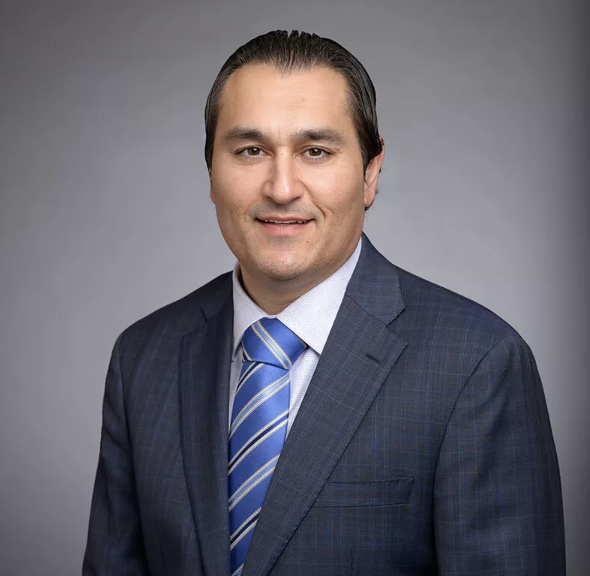
And it all became full circle when him and I met because obviously this is a crime show, I'm a criminal defense attorney. So when we met, he was also accused of a crime. So he brought it full circle. He went from being hit by a drunk driver to becoming a law enforcement officer to then becoming a criminal defendant in a criminal case. And today I have the honor of bringing a guest on here, Steven Cenzeri. Thank you for coming.
[00:01:42] Speaker C: Thank you, doc.
[00:01:44] Speaker B: First thing I want to start with, Steven, is 1979, your life changed.
[00:01:51] Speaker C: Oh, absolutely.
[00:01:52] Speaker B: Tell us what happened in 1979.
[00:01:54] Speaker C: 1979, I was 19 years old. It was, it was April and I was up visiting a buddy of mine. We rode motorcycles together. He was going to school at UC Davis and we had gone to a party that night, American river.
And we were on our way back to UC Davis maybe one in the morning and we had to get off our motorcycles and we had to take a leak and we got back on the motorcycles and this was a, like a, it was a two lane road. No, but no medium, you know, no street lights. It was county area, very rough road. And I remember after getting on the bikes, looking in my rear view mirror and I, I see headlights coming, but they're kind of floating, you know. So it kind of told me that some, somebody's coming pretty quickly.
And a few moments later the car hit us.
I went flying off to the right and my buddy Mark was hit and drug down the road.
Little did I know that he lost, had lost his leg.
And we later found out it hit a railroad crossing sign. The impact was incredible.
So I was thrown about 35 deep feet off to the right.
And I didn't know he lost his leg. I was in shock, but I could have got to him. But he just said he couldn't feel his leg.
And a few moments later, out of nowhere, here comes a car.
There's no cars on that road at 1 in the morning. And the car stops briefly and then it takes off. And I'm in the ditch, you know, and I know I'm pretty banged up. And I was throwing rocks at the car, trying to stop it.
And a few seconds later, a man comes down and he says, you okay? I go, yeah, I think so. You know, my leg's messed up because your buddy's in bad shape.
So his wife had taken off and got to a phone booth and called for emergency vehicles, called the cops.
And then pretty soon, lights, sirens, everybody was coming. And they hauled Mark off right away. Yeah.
[00:04:01] Speaker B: Did you see Mark?
[00:04:02] Speaker C: All I could see was him up on the road because I was down in the ditch.
And when we got hit, the bike had spun around and so the headlight was facing him. So he was going like this. His torso.
[00:04:14] Speaker B: Did you know at the time when you were laying on the ground, severely injured, that Mark had lost his leg?
[00:04:20] Speaker C: No, nobody told me that.
[00:04:21] Speaker B: At what point did you find out that his leg flew off and
[00:04:24] Speaker C: hit something? They told the CHP officer, told me in the hospital
[00:04:28] Speaker B: what happened to Mark eventually.
[00:04:30] Speaker C: Well, they spent 13 hours on his leg to try to save it. They call microsurgery.
But he survived, thank God.
So he ended up with prosthesis.
[00:04:41] Speaker B: Do you still talk to Mark?
[00:04:43] Speaker C: He passed away about 10 years ago.
[00:04:44] Speaker B: Okay. What happened to you?
[00:04:47] Speaker C: I spent 13 days in a hospital, had a full compartment syndrome.
The impact had taken my leg and snapped it in half.
And so the compartment syndrome is very serious. You lose all your blood pressure, your nerves are damaged, and it'll swell up.
So we spent. I spent a day or two in the hospital up there, and my leg was swollen. He had to split the cast. That first night, parents came up, you know, they didn't want that 2 o' clock or 3 in the morning phone call, whatever. So ambulance took me down back to San Mateo. Mark's dad was a MD of his family physician up in San Mateo. So he knew all the best doctors and stuff, and Dr. Bernstein's probably would save my leg.
When I went to his office and he called in Dr. Pollock, his partner, and within 10 minutes they had me ready for pre op. I had no pulse down there.
[00:05:38] Speaker B: Do you still have lingering effects this many years later?
[00:05:41] Speaker C: I do now get older, but what happened was the fib and the tib had to be put together separately. And so I was in a cast for nine months and then they had a bring it over and put the tibia together so the bones would, would grow. It passed. So my leg was actually about almost an inch short since 1979. So in about the last year, maybe 18 months, I've had some hip problems.
[00:06:07] Speaker B: That's not what made you become, want to become a police officer. Right
[00:06:12] Speaker C: then, the other reasons. But yeah, it kind of, it kind of did. I mean, you know, I, I was, I was, I work in security at the time, so I met a lot of police officers. I started doing ride alongs at a young age. So that's,
[00:06:26] Speaker B: Is there a specific incident after this, you know, DUI accident that made you want to become a police officer, which was the incident coming back from Tahoe?
[00:06:38] Speaker C: Oh, that incident, yes, yes.
[00:06:39] Speaker B: Tell us about that.
[00:06:40] Speaker C: Yes, I just gotten out of my cast and a buddy of mine and two gals were up at my parents cabin in Kings beach. And so we took off. It was a Sunday night I believe, and we took off and we're coming out of the Truckee Agricultural Station west toward the Bay Area.
And it's, it's, it's, it's weird, but it's very dark out there on Highway 80 and there's not a lot of cars on Sunday night.
And something called my eye, and I know I didn't see it. You, I mean, I don't know what it was.
And I pulled over fairly shortly, maybe half a mile up or something.
And so I backed up a little bit and I told my buddy, I'm going to get out. Something's out there.
And they're saying, oh yeah, you're stone, you're, you know, you're seeing things. I was like, no, no, I saw something.
So we grabbed a flashlight and we headed back toward the agricultural station.
And I'm using the flashlight like this and I look up hill, maybe, I don't know, 25 yards up the hill and there's a girl sitting up naked, totally naked. And next to her were a couple pieces of luggage.
I said, holy shit, you know, this isn't good.
So trying to flag down cars and truckers and everything. Finally a trucker stopped. We told them what happened and you know, we didn't witness any crime. We just kind of took off and we're coming down Highway 80. And we hit Sacramento. We're about greenback lane exit, and all of a sudden, must have been 25 patrol cars, code three, everything else, and we keep going. And about a mile down the road, they shut it down to one lane. They had a full felony stop across. That's where it's like four lanes wide.
[00:08:32] Speaker B: And let me stop you there for. For our viewers that don't know you said they did a felony hot stop. Why don't you explain what is a felony hot stop?
[00:08:41] Speaker C: Well, you get the vehicle pulled over and cars are in, you know, safety position, officer safety position, and everybody's behind their door. Somebody might be on the PA or, you know, was a pa and everybody's got their guns pointed at them. Get the people out of the car safely, you know, key hands up, keys outside, all that kind of stuff.
And that's what stopped. They made the stop on the. On the. On the. It was an orange van.
[00:09:06] Speaker B: Did you find out what happened to that case?
[00:09:07] Speaker C: Oh, I did.
My. My godmother's a nurse practitioner in Tahoe City. So I called her the next day and I said, man, this is going on. She goes, oh, it's all over the papers. And what happened was it was a guy and a gal in Reno had picked up this hitchhiker who was the victim. I found, and they raped her.
And then they threw out. They threw her off the side of the road.
[00:09:29] Speaker B: And you saw her?
[00:09:30] Speaker C: I did.
[00:09:31] Speaker B: That's crazy. She
[00:09:32] Speaker C: was 14 years old.
[00:09:33] Speaker B: And that incident, along with your DUI accident, made you want to become a police officer
[00:09:41] Speaker C: more so than before? Yes, absolutely.
[00:09:43] Speaker B: That
[00:09:46] Speaker C: just, you know, being. Being said, I was helped in the first one, you know, and how good. How good the officers in CHP and the medical personnel and everybody wore to me. And the second was, is that I felt I had an instinct for it.
[00:10:00] Speaker B: You went to the. You went to the academy?
[00:10:02] Speaker C: I did.
[00:10:02] Speaker B: What year?
[00:10:04] Speaker C: 1980 and 81. Early 81.
[00:10:07] Speaker B: You successfully graduated the academy and you became a law enforcement officer?
[00:10:10] Speaker C: I did.
[00:10:11] Speaker B: In what city?
[00:10:12] Speaker C: First it was Burlingame, California.
I spent two years there.
[00:10:17] Speaker B: What happened after that two years?
[00:10:22] Speaker C: It's hard to believe. I. I can't believe that energy. During. When I was in the academy, I came up an idea to start a gym. So about halfway through the academy, I started doing weekends. We rented a building. I started working weekends, and it was a rough haul, and we put a little like 1100 square foot gym in San Mateo.
So when I got hired, I had the gym and I. They kind of Asked me to resign if. But I had. I would have to get rid of the gym if I wanted to stay. And I thought, you know, I can go somewhere else. I can't. So I resigned for conflict of interest.
[00:10:53] Speaker B: Why did they deem that a conflict of interest? A gym versus a law enforcement officer?
[00:10:57] Speaker C: You know what, guys could moonlight back then a little bit, but it was more like a lot like firemen. They usually had little. Little concrete business on the side or where. But, you know, they work eight or nine days a month, you know, and they thought I would get burned out. I was working the gym on my days off, you know, and they thought it would affect my performance overall.
[00:11:17] Speaker B: So you went full time into the gym?
[00:11:19] Speaker C: I did.
[00:11:21] Speaker B: And what happened after that?
[00:11:23] Speaker C: Well, when I left the police department, that's when Gold's Gym was starting to offer licenses.
And Gold's Gym was a mecca, bodybuilding and everything, you know, and I was in bodybuilding. I competed in the Teenage California a couple years before, and I loved it. I just, you know, being former athlete and things like that. And there was. There was no gyms in the area at that time. Nobody had gyms.
And so the license was only $3,500. And you had to have about 10,000 square feet, and you could put a Gold's Gym sign up. So we were able to take our membership from the small gym, and that was in San Mateo. And right across the little bridge about two miles away, we rented a building.
It was an old Levy Brother store, and it was in a shopping center. There's Safeway, Bank America. You know, it was maybe 20 businesses in Foster City, fairly wealthy, you know. And we put the Gold Gym sign up, and it worked. We did very well.
[00:12:20] Speaker B: How long did you own Gold's Gym?
[00:12:22] Speaker C: About seven years.
[00:12:26] Speaker B: At what point did you go back to law enforcement?
[00:12:29] Speaker C: Well, I hadn't planned on it, but I'd missed it. You know, I could tell people I would have done the job for free back then. It was fun, you know.
Well, having a Gold Gym in Foster City, Marlin Cove Shopping center, where we were at, it was only maybe half a mile from the police department, so all the guys would come in. And I knew some guys, I'm counting with one guy. And, you know, I knew the guys would, you know, you know, come on, sign up, John, don't sign up. So I went ahead and I signed up for the reserves and they gave me a level one status right away. And I had a short FTL program. You know, I'd already been through the Academy stuff. And then they offered me a per diem position and I was able to get level four pay, which is, you know, but I insurance at the gym, so they didn't have to pay my insurance. So I actually was working full time as a per diem reserve and
[00:13:17] Speaker B: still owning the Gold's gym.
[00:13:19] Speaker C: Yeah. And there was no problem with that. I made sure there was no problem with that.
[00:13:21] Speaker B: And how long, how long did you do it? Law enforcement. The second
[00:13:26] Speaker C: time, I, I did it from late 84 to about 88. Beginning at 88.
[00:13:31] Speaker B: So what I want to talk about, you know, I've been a criminal defense lawyer for 22 years. Right,
[00:13:38] Speaker C: right.
[00:13:39] Speaker B: And over the 22 years of my career, I've become pretty good friends with law enforcement agents.
And, you know, every time I do a trial, there's always a law enforcement officer sitting right next to me. It's always the da, a detective, myself and my client. So the detective and the defense attorney become pretty good friends, you know, throughout the trial, especially throughout a long trial. So you learn a lot about law enforcement, a lot about what they go through.
And some of the stories you hear from, you know, these law enforcement officers, it's brutal, you know, and I had a detective one time tell me, I asked him, you know, when you were a field officer, what's the craziest thing you saw or you did? And he told me that, you know, he responded to the scene of a domestic disturbance. He goes in and there's a dead lady on the floor. And another he later found out to be a 12 year old girl who was shot.
So they called in all the backup paramedics. Homicide team is on the way. He has to pick up this 12 year old girl, put her in the paramedics, finish off what he's doing. Because he's done now, right. All the other homicide teams are coming in and he has to go to another incident, another domestic disturbance incident. And he gets there and everyone's yelling at him, why you late? Why you late? And deep down inside he's like, because I just picked up a 12 year old girl who's dying and I had to put her in the ambulance. And you're yelling at me because I'm a few minutes late for a domestic disturbance. And that day he had to go watch his daughter's soccer game and put it all behind him.
[00:15:20] Speaker C: Yeah, yeah.
[00:15:21] Speaker B: And this is something that you guys go through every single day on the job, right?
[00:15:27] Speaker C: Not as much as lapd, but up in a barrier, it gets pretty busy.
[00:15:30] Speaker B: What's the one case that, you know, when you think back on your career as a law enforcement officer, what's the one case that sticks out to you?
[00:15:41] Speaker C: There's a few.
The one that was most interesting to me, I think.
Well, I got, I got two short ones. First one is when I was in Burlingame, I was working and this is probably late 83, I was working the industrial area, Charlie Beat. And it's like one in the morning and not many people out, but I see a couple gals and this is right off 101 off of a Broadway Avenue. It's overpass. It goes on the one on one and there's a 76 station there. And I see these two gals at a phone booth and like I'm, you know, I'm going to go. You'll feel interrogation do. Fill an FI card out of them. That's what you do, you know, it's a card you fill out and then you put it, put it and give it to the detectives. There's a slot, you know, and so there's a crime in the area. They got to lead, you know. And I went up fight them. They were nice enough and that was it.
And then about three days later, there were two bodies found up in Golden Gate park in San Francisco. And they were in 55 gallon drums and holy mackerel. You know, and you know, everybody's kind of like, we get a bol out for, you know, and stuff. APB is all kind of we.
[00:16:58] Speaker B: And for the viewers that don't know, explain what's a bol,
[00:17:01] Speaker C: be on the lookout for, you know, points bolt in apb, you know, didn't really have a suspect, but we'll get something. This is not, this doesn't happen in Gold Gate park every day.
And then the next day they found another gal that was kind of mutilated. They found out she was drugged by a car probably half a mile on Kenyatta Road southbound and that runs right along Highway 280. It was right out of Redwood City down there toward Woodside.
And they put the two and two together and said, this is the same suspect, you know.
And I got called into detectives and they said, hey, listen, you refi cards to those gals and ones you have eyed.
[00:17:46] Speaker B: Wow.
[00:17:46] Speaker C: I said, whoa, you know, nothing I could have done to stop it. So within a few days I was kind of left out of it. I was kind of, you know, I was, I, I was held over. They're gonna hit this warehouse at 6:00am with a warrant. And they didn't Say a lot to me. But it turned out that the suspect was a Millbrae police sergeant. His name was Sully, was all over the papers and he was running hookers out of Burlingame in this warehouse.
[00:18:12] Speaker B: That's crazy.
[00:18:13] Speaker C: It was. Yeah, he. He just passed away like me two years ago in prison.
[00:18:18] Speaker B: And the funny thing is that, you know, every officer you talk to has hundreds and hundreds of stories, you know, just like, you know, what you explained what about, you know, coming to a scene of a homicide, seeing a dead body. Explain. Explain to us that.
[00:18:37] Speaker C: Well, in, in our situation, in our department, I've come across a few, you know, and most of the ones I, I experienced were suicides.
Burlingen, Foster City. I mean, there's been one murder in Foster City in the last 10, 15 years.
You know, Berlin game.
It's been years, but mostly suicide. So coming across that dead body, the, the for my first one was. Which really, it really bothered me. I was young. I was probably a field training program, FTO program for maybe a week at a great fto. He became the chief Jackman and love the guy. But we got a call for suicide and the parents had found their daughter.
She was an adult but were living. She was living with the parents, with her kids, and she hung herself in her, in her kids bedroom.
[00:19:27] Speaker B: And you saw that?
[00:19:28] Speaker C: Oh man, I, I was pissed off. I told I, you know, and I, I react. I didn't react like a maniac, but inside, inside I just wanted to kick her, you know, so we had, we had to cut her down. She hung herself on the, on the top of the door.
[00:19:40] Speaker B: So you had to actual cut her down still
[00:19:43] Speaker C: hang? Yeah, we, yeah, we cut her down.
[00:19:44] Speaker B: Do you still ever go back and have flashbacks about what you've seen as a police officer?
[00:19:48] Speaker C: None.
[00:19:49] Speaker B: You put it all behind you?
[00:19:50] Speaker C: Yeah, yeah, it just, you know, I didn't, I, I didn't see a bunch of dead babies or anything. May that be different, but you know, suicide, I mean, it's, you know, it's not right or wrong. You don't know. People are going through, you know, so I don't judge on that. I just. I'm sad for him. But, you know.
[00:20:07] Speaker B: Why did you leave the agency?
[00:20:09] Speaker C: Foster City.
[00:20:10] Speaker B: Yes.
[00:20:12] Speaker C: Man, this one kind of plays back.
It was early 1988 and I was working swing shift. Beautiful day. It was like, you know, probably June, Foster City.
And that's the street was right off of Edgewater, which, you know, I was probably maybe half mile from San Mateo border.
And I'm just Patrolling. I see these three guys going out in the street, right?
Pretty good sized guys, you know. And so I call for a cover unit, you know, so get in my car and one guy runs, right? The other two guys are still fighting. So my cover unit shows up. Her name is Star Carrar, great cop.
And she jumps out and we go to break it up. And she had. I didn't, I never carried my baton because you like my hands, you know, that's one more thing they can grab, right?
Well, she drops a baton and it does the, the baseball thing like this. And I happen to grab it and one guy comes at me, man, full speed. And I just planted him, man. I wasn't gonna mess around.
And as soon as I look, the other guy has, he goes down. I look and the other guy has my partner against the fence and he's beating on her, man.
Man, I'll tell you what, I flipped and I went over there and that guy's down.
It kind of ran him into a VW to get him out, but, you know, it was our lives at stake. And I get that guy off of her and it push him back. And he did a karate move, man, Did a spin kick and he kicked me right in the head. Bam.
I said, holy.
So I backed off and I hit him. The other guy, I hit over the shore. This guy went right for the head and he kind of stopped and I drew my weapon, you know, just, just he take it off running.
So I call Code three cover, you know, and everybody will
[00:22:05] Speaker B: explain. What's code three cover?
[00:22:07] Speaker C: Well, code three cover is what you'll call usually the call before they say officer down or something, which is really scary. Code three cover means we cut, you know, And I, I. My whole life I never called for code to recover because I, you know, taking on myself pretty good. And the cops I work with were excellent too. So, you know, but we need help. And so he took off running and I'm bleeding, I guess, you know. And so I look over to the side and Officer Crush on top of the guy, beating the guy and like, get off him. So I went over there and I'm trying to start to handcuff the guy and he's fighting me and stuff like that. So I'm pushing him around and one of my lieutenants get off him, Steve, you know, so we got him handcuffed, but the other guy took off. He went all the way up to 101 and he was running south in the northbound lanes of 101. So since I called code three, cover CHP. Everybody was there. They thought I shot him because, you know, you never want to. The first thing in the academy, they tell you when you're using a baton, don't ever hit a guy in the head. It's bad. You know, it's not that he's gonna die or anything necessarily, but it bleeds. It's really bad for court.
So they thought I saw him. Anyway, we. They arrested and brought him back to the scene.
And so I. I had to go to the hospital. So did he. So I got.
God rest his soul, Officer Rod Dutcher, about six. Six. So, yeah, I said, lieutenant, we'll take him down. We'll take him down to Choke County Hospital.
So we got him down there, and he's fighting stuff like that. And they have some sheriff's deputies down there, but they're just kind of, you know, like Bailey, you know, So I had to go in there and kind of like, tune them up a little bit, which in those days, I'm not saying now, police brutality. But he's fighting everybody.
So we got him strapped in.
He gets fixed up.
I had a. I. I didn't want stitches, so they gave me a butterfly. Right. Okay.
Took him to county jail. Right? And there's. Because we told him. We told him this. This cut. This. The suspect, by the way, he had two priors, like the 243B for beating up cops and stuff, man, this guy was a cop beater.
[00:24:06] Speaker B: And for our viewers, a243B is battery on a peace officer.
[00:24:09] Speaker C: Yes. Right. Thank you. And so we called in, we're bringing this guy in, and, you know, dispatcher notified him, you know, and since it was a female, you know, you just don't. You still protect your female cops, just like your mother, you know, And Sally Porter came down. There's like, eight deputies. Like, there's six. Six. Like, you know, okay, we got it from here, you know, And I said, wow. But anyway, what happened was.
And, like, I think Wagstaff was a DA. He's a great DA.
Well, since I own the gym, I was mentioning 400 pounds. Whatever. They filed a felony on him against Officer Carrard, but they only filed a misdemeanor on him against me.
And my.
[00:24:48] Speaker B: That's because you're 400 pounds, owner of a gold gym.
[00:24:51] Speaker C: Well, 400 lift. Yeah. Lifting up.
[00:24:52] Speaker B: Lifting 400 pounds.
[00:24:54] Speaker C: Yeah. Like, you know, I did that. I worked, you know, to protect the public. You know, you got to be in shape, you know? You know, and I. I wasn't happy. And Neither was the brass. My, my lieutenant and two sergeants went down to meet with the D. A and said, this is BS man. Your chief wrote a letter and everything goes, no, you know what? He, you know, blah blah, blah, whatever how he thought. And so two weeks later I put in my notice. But Gold's gym was doing really well, really well. So I was making as much at the gym as I was as an officer. That's why I left.
[00:25:23] Speaker B: So after you leave the police force, what's next?
[00:25:28] Speaker C: Well, I had a townhouse I purchased right across from police station. It was really neat. They, they cheap too back then. And I sold it and I hunt. I was a hunter and fisherman. That's what I did, a lot of that. So I moved up to Arnold, California.
It's about 2500 people. It's about 4000 foot elevation, snows, it's beautiful place.
And I was building a spec house up there. Had some money from selling the gym. Selling my, I sold the gym to the family. I sold my townhouse. So I built a spec house, you know, because I didn't have a job.
And I met a guy across the street and he was a former CIA agent. He was a GS16.
He was way up there and we got to know each other. Hired his kid as a laborer. He was terrible. He became an ensign in the navy. He's a good kid, really smart. But anyway, we put the money together and we bought this country club named, called Sequoia woods Country Club.
18 hole golf course, tennis courts, almost olympic size swimming pool.
And it was a real learning curve for business because now we got a corporate. We had two at holding corporation and we had the corporation with the assets. And you know, I learned a lot about business and it was a lot of work, but it was a lot that was a lot of fun.
[00:26:46] Speaker B: At some point you make a career change and now you're owning a bail company.
[00:26:51] Speaker C: Yeah,
[00:26:52] Speaker B: tell us about that.
[00:26:53] Speaker C: Well, I was, I was the youngest. All the. The other part we brought another partner in later on, but I was 20 years younger than these guys and you know, I was doing most of you know that we did, we did our own physical work too. I mean when we, we. When we put a half a million dollars into the country club, like I laid the tile in the bathroom. We did a lot of physical. Just like when we built Gold's gym, we did the showers ourselves.
And I did, I just was, you know, like, you know, I know I could sell it and make some money and I knew a member who was A bail bondsman up there, Ron Burnsworth in Arnold.
And that I was an ex cop and stuff, and he was a member of the country club and we played a little golf, got those families. So he hired me as a bail agent. I took the test and all that. And then we kind of had a little disagreement on commissions. I, I'd done him some really good because Arnold, Calvert County, Tuolumne, Mariposa, Amador, you know, the bonds are low.
You know, that's when 273.5 became 50,000.
Am I correct? 50,
[00:27:55] Speaker B: 50. Just for our viewers, a PC 273.5 is a domestic violence battery.
[00:28:00] Speaker C: Right. And when I, before I got in, it was like 5,000. It's because of OJ is why that went up.
Anyway, there's a lot more of those, and those are the ones you want. You know, the guy is married, came home out of too many drinks, he's got a job, pissed off, push his wife against the wall when he's in. You know, it's a felony. You drop it to a misdemeanor, so.
[00:28:21] Speaker B: Or they don't file.
[00:28:22] Speaker C: Well, they don't file.
So I started getting a lot of business out of San Mateo county. Because when your bail bonds, when you put your placard up inside the jail on the wall by the phone, guys can call bail agents. So I had a lot of friends down there, Sam Tail County Jail.
And so they'd kind of point, you know,
[00:28:41] Speaker B: call this guy,
[00:28:42] Speaker C: call this guy. And my mom, I licensed her as a bail agent down there so I wouldn't have to drive two and a half hours, you know, and so we're doing very well. And I was doing my own, my own bounties.
[00:28:53] Speaker B: Explain, to explain to our viewers, when you say I was doing my own bounties, what does that mean by doing your own bounties?
[00:28:58] Speaker C: Well, you bail a guy out of jail and he doesn't show up, you get a court forfeiture on the, on the bond. And then now we have 185, 6 months, but they give you 5, 185 days to get him back before the magistrate or the judge. Otherwise it becomes a summary judgment.
[00:29:17] Speaker B: And while you do that, the, the reason why you're going after this guy is if you don't find him, you're on the hook
[00:29:23] Speaker C: big time
[00:29:23] Speaker B: for that money, right? So on a, for example, on a hundred thousand dollar bail, if you don't go after this guy, you're on the hook for that hundred thousand dollars that you just posted Right,
[00:29:33] Speaker C: Absolutely. And when you go into bail bond business, you have to put up real property with the surety company.
So your house is on the line.
You know, this isn't something isn't. You get out of a cereal box, they have a buff account. So 10 of your premium. Premium is 10. 10 of that goes into a buff account and that's the back. You know, like if you do get a five thousand dollar forfeiture, you can't. It goes to summary judgment.
The court wants the money. You know, it's not gonna, not gonna take your house so that you build your buff account up, you know. And thank God I never had to hit it. Believe it or not.
[00:30:08] Speaker B: Now most bail companies, they hire outside bounty hunters. So not only did you own the bail company, you were also doing your own bounty
[00:30:15] Speaker C: and also for several other companies too.
[00:30:18] Speaker B: How did that go?
[00:30:19] Speaker C: Great.
[00:30:20] Speaker B: Explain what you do as a bounty hunter.
[00:30:23] Speaker C: Well, first thing is hopefully the bail agency takes a really good application. See, a bail bond is an insurance policy.
Okay.
And you have to have old. It's just like it's paperwork was. It wasn't like buying a house or anything. But you know, they fill all the paperwork out. If it's a large bond, usually they'll put up some sort of collateral depending who the person is. You know, a lot of guys would go not do collateral or anything else and then the guy skips and they're in trouble and you know, they'd call it better bounty hunters. My team was really, really good but they the insurance policy basically and they say a body hurts. Have more power in cops. Well, in some ways they do. It's, it's, you know, you can call for. It's your r warrant. Okay.
But when they skip, we can go after them anytime, any day. And then like I said Taylor, Taylor versus Tainter it. And that's the, that's the Supreme Court ruling is that you can even go after them on the Sabbath. You know, we don't have a 6:00am to 10:00pm you know, there's no nights. I don't even know if they do night service anymore. But we could pick them up any time of the day, 24 hours a day.
[00:31:39] Speaker B: You were so good at what you did. At one point you were top 10 bounty hunters in California, right?
[00:31:46] Speaker C: Yeah, that's what they. They. Yeah, we were, I was invited to a meeting with some producers out of Los Angeles and they want to do a bounty hunting show called Bounty Hunters. And this is before the dog and everybody. This is the first one they were they were reputable producers. The one, the head producer, he brought up the Speed Channel back then. It was a, you know, had done some pretty good stuff. And there was a bounty hunter named Dan Quailer, a great guy, recently passed away and he, he done things on 60 Minutes. I'd seen him. The guy was out of Fresno.
Best bounty hunter I really ever saw.
So he called, he called me, you knew, because, you know, back then There was only 200 bail agencies in the whole state. Now there's 200 in LA County.
So as far as bounty hunting goes, there's, you know, it waters it down pretty good because other agencies will talk to each other and say, hey, this guy got this guy fast. And so I was invited, about 10 of us there it was in Fresno and met with the producers and they showed us a little pilot clip they did. I explained earlier to you, this is. It was their perception of bounty hunting.
And it looked like the cartel macho guys, and they were. And they had like, looked like automatic little MP4s and they're all blacked out. And I'm like, you know, you know, you got to blend in on the street, you know, you know, and so I talked to him afterwards and this and that, and so they invited me to a production meeting next week down in la. And that's when the show started rolling.
We started shooting within about two months and we shot all over the United States.
Most of my stuff the first year was in California.
The first year and did. We did like 27 episodes because it's, it's a reality show. You don't have to rely on the studios and stuff.
And we, we were up the first show and we got the lady and we did very well. You know, we, we just had a good team. And everybody on my team was. Was former police officers and then they didn't act like cops anymore. I didn't want guys that, you know, John Wayne's out there. I want guys that are loose, you know, because you have to, you have to make, you know, informants out there in the street. You know, you don't have people like you, you know, and, you know, we don't have the Motorola radio to back us up. You know, a lot of. I've had more problems in California with agencies on. On bounties than I ever did out of state. It's weird.
But so the second season I said, let me, Let me put me as a field producer. I'll start recruiting the right guys. Because when a camera crew goes out there and let's say Back then it was, it was 60,000 an episode back then to produce. But they're paying the crew maybe 6, 800 bucks to shoot this thing. And guys would sit out in an apartment for like, you know, 10 hours, days. Yeah. And it was like, you know, don't even go out until you got some solid info, you know, or whatever. And so I changed that and I started hiring. You know, I interview, I go to LA about once a month.
I'd look over some editing, you know, you know, that doesn't look good. And also I'd make the phone calls and I'd hear, you know, you know, call some bail agencies like in Nebraska or South Carolina or whatever, say, hey, you got some good guys who want to be on tv. Good bounty hunters. So I started recruiting them and doing that as a field producer.
[00:34:53] Speaker B: How, how long did bounty hunters air?
[00:34:56] Speaker C: Just a little, just a hair over two seasons,
[00:35:00] Speaker B: you know. Next thing I want to talk about is a pretty, I guess, famous case that you worked on, the Yosemite murders.
[00:35:08] Speaker C: So many murders. Yes.
[00:35:09] Speaker B: And in fact we have a copy of, you know, one of your books here, the Ultimate Prey by Steven Sanzeri. The true story behind the Yosemite Sightseeing Murder. So why don't you explain to our viewers what this case is about and where you came into play.
[00:35:25] Speaker C: Well, that's, that's the craziest case of my life and the hardest case ever.
You asked me would I do it again. No.
I bailed a guy out named Paul Candler Jr. In November 1998. A T County Jail.
And even, even with dispatch when he call into the jail or whatever says, you know this guy, you sure you want to do this? This guy just got a state pen. He did 18 years Hatchap, you know, and I found this. What's his criminal record like?
Rape, several felony assaults, guns. I mean, couple dui. I mean this guy was, was pretty bad dude. And even when I bailed him out of the jail, he walked out, know, you know, some sort of lat spread like, you know, it wasn't a good, really, he was like 5, 8, maybe 180. But he was in really good shape. You know, that's how a lot of guys are and they get fresh out of the pan, you know, the push ups and stuff. His attitude was terrible.
His girlfriend had posted bond and it was 25,000. You know, it was for something interesting I'll get into later. So fast forward February, Valentine's weekend, February 1999.
Three sightseers, Carol's son, the mother, the daughter Julie's son and Silvina Pelosa, which was a family friend, she lived in Argentina and they were visiting Yosemite park in February, no one's in there. And they stayed at the El Portel or the Cedar Lodging at El Portel, it's right outside Yosemite, about eight miles.
And they seen the snow and took pictures, had a lot of fun, you know, it was great. Sylvia never seen the snow. That was it. And the. The family lived in Eureka, California. Well, the husband, Jen's J E N s son, was supposed to meet him at SFO San Francisco Airport.
They didn't show.
And it's like, okay. And Carol was meticulous.
Her birth name's Carol Carrington. Her father Francis Carrington. Her mother, Carol namesake or her namesake, very wealthy man, just a great guy.
And anyway, Jen's son ran one of his companies and so he called the authorities because she was meticulous. Like I was saying, she.
She ran a program for mentally handicapped adults and put them in homes, got them jobs, really great gal.
And so he called the authorities and this and that and called Mariposa. SFPD got involved a little bit. And after about a day and a half, man, full searches, everything, you know, it's a lot of snow up in Mariposa county at that time. So they're looking everywhere they thought, you know, and those. The road going up to Mariposa is nasty. So they're figuring they're looking at. There's a river down there. They're looking off the sides of the roads. They got choppers up, snowmobiles, ATVs, everything. No sign of them, no sign, nothing. I mean, and pretty soon, I mean, it's, it's national news. It's Yosemite Park. This isn't, you know, you know, Burger King.
So I told my partner, I go, man, some, you know, this is close to home because Calveras county is here and in south is Tuolumne. The next county over is Mariposa County. And I passed, I posted a few bonds there and I knew the reputation of the area and I post bonds in somebody park a couple of times. You just can't pass post federal bonds. And I said, you know, let's take a look at some of our guys because we had a couple skips in the area, let's just kind of look, you know, and the girls were missing. And so it's about five or six days, I get a forfeiture from t county court, right on this guy, Paul Candler. I bailed out In November, right. So he's on the move.
I know this guy's not going back to state prison. I mean, we know we got our hands full on this guy, you know.
And so I said, rick, let's start, let's take a look. So things are going on. They still haven't found the body. So we start looking around.
He had a place in Arnold, California that he. We found out he lived there because his girlfriend Barbara Dobbins, who bailed him out, she worked at bank of America right there. And Arnold's a very small town. It's one street, you know, and we went to the house and, you know, there's nobody there. You know, it's an old crappy looking place and we can't find him. We're looking around Mariposa, just kind of quietly and then see that's February. So about four, three or four weeks later, this guy Jim Porter was squirrel hunting over in Tuolumne county.
[00:40:05] Speaker B: And they're still missing.
[00:40:06] Speaker C: Still missing?
Yeah, still missing. And we can't find our guy, you know. And Jim Porter comes across a red Pontiac burned out, totally flamed and tore. It was, it was, it wasn't on fire, but it had been burned and it was off this Wheeler Road, which you'd have to know where to go, you know, just somebody just didn't drive that down there like. And it didn't even fit, you know, easy of a truck. So he calls the Tuolumne County. So. And they go out there and they find two dead bodies in the trunk.
They're later identified as Carol's son and Silvino Peloso.
The Julie's still missing.
So now we have the Bahama side for sure. I mean, in, in this car from the Cedar, Cedar Hotel, from Cedar Lodge to Wheeler Road, probably hour and 40 minute drive.
So they move those bodies.
Why there?
So I'm thinking, man, this is crazy.
So about four weeks later, they find Julie's body.
It's in Tuolumne county and it's right on the west shore of Lake Don Pedro. And right that area borders a little area called Moccasin. There's a water treatment plant there, used to be a gold mining town.
And they find her practically beheaded. And she's right on the shore, right off the shore.
Holy crap.
So now they're really looking. I mean everybody. And I'm looking and I'm going, look at this, Rick. What's up? The county. This county.
So we tracked down an address for Paul Candler Jr.
I'll be damned his sister owned a home and it was right down this little hill. But it was only maybe a quarter mile from a little boat dock on Lake Don Pedro. And if you went from that boat dock and made a left turn, her body was found a quarter mile away from there.
And I'm thinking, man, that guy, you know, he. His M.O. i mean everything about him. And so what we did, when we saw the house and there was a chain across it and you can see the grass going on the dry. We went down there and the garage was totally. Had been engulfed and it got, you know, didn't burn, whole house down. So I got a hold of Tuolumne county, county fire. And they got. It was a CDF call. And they told me when it burned down and everything, it was right around the time that the homicides happened.
[00:42:32] Speaker B: Wow.
[00:42:32] Speaker C: So I'm thinking, you know what, man? He. They were in there, he's burning the house to burn the. Get rid of the evidence. He lives a quarter. He lives a quarter mile from when they found their body. Come on, man. So I wrote an 18 page report to. They call it Tournap. It was FBI task force. They put it in Sonora for this case.
And so I wrote an 18 page report.
I never heard a word back.
Nothing. I said, take a look at this guy. 18 pages. I laid everything out.
Nothing. Nothing. Matter of fact, the fast forward later on, it wasn't until two years after that I even got a call from these guys because they'd followed me back on the bounty of whatever. I'll tell you later. So anyway, Paul's not around. We got bodies, everything else.
And he. He called me right after they found Julie. And I was on a bounty in Modesta with my partner. He called. I was on my cell phone. And I remember it's really foggy. We're trying. We're going back toward. Up. Back up toward Angels Camp. Borrow. He goes, hey Steve, I'm in trouble.
They think I burnt my sister's home down.
Like who did? And so I played really cool and stuff. I go, where are you at? And he goes, well, I'm not telling you, man. Only if you guarantee me I don't go to. I got that candidate tyranny guarantee anything.
So we couldn't find this guy, right.
And is on my bond, right. And so I went in for a toll time. You can explain what a toll time is for him.
[00:43:54] Speaker B: You want to go ahead and.
[00:43:55] Speaker C: Oh yeah, yeah. Well, if you need extra time on a bond, let's say you.
It's. It's like, you know, you got. You got six months, 185 days. And let's say you're at, you know, you got to do kind of timely. I'm at four and a half months, let's say.
And so I go in and I make. I make a motion, write it out.
Told time to the judge. You know, DA gets a copy, and judge looks at a DA Start arguing with me. You know what? They haven't done this and that. I told the judge, this is what we've done. A, B, C, D, E, this and that. And I also said, I think he's involved in the homicides. And he goes, that's interesting. He goes, 90 more days right off the bat. And she. She walked out. She was like darts in her eyes, man. Hey, sorry, that. That's law.
[00:44:41] Speaker B: Yeah.
[00:44:41] Speaker C: So I got my toll time, and I needed it.
[00:44:45] Speaker B: And. And the funny thing is, you're trying to help the DA out, right?
[00:44:48] Speaker C: This is what I think. This is why he didn't end up getting indicted on any of this. I think I'll come into it later because I believe he was a hitman. And there was people, there was cops involved. But anyway, so I call this guy Orb Hatton. He was a. He's a real estate agent, Don Pedro. And this is about May and. Right. I haven't found him the. But they're, you know, looking at the bodies and everything else or trying to find a suspect.
So, I mean, this guy, Orb Hatton, because he was the victim of Paul Candler when I bailed him out. And he's. He owns a real estate agent agency in Don Pedro, but he's a former narcotics couple, Modesto pd And I knew a couple guys down there. My buddy Ron Clow is a sergeant Go, you know, or Patty Go, or he's a great guy, whatever. So I called Or Hatton, and I met with him over in Jamestown, and he said, man, you got to get a newspaper guy behind. He goes, you know, they'll take you out. I go, who? He goes, tuolumne County. Candler gets a hold of you, whatever. And I said, what happened to you? And this guy Candler showed up that because of that crime he committed. Showed up one day at his office, threaten his secretary. Where's Orbat? Norbs full of spitting vinegar. Ex cop. He carries. He flies up from wherever he was at in Modesto.
And Paul Candler said, meet me out at Chinese camp. It's out of ways, and Orb pulls up, Candler's in his car, and he's with his kid. Candler jumps out with a 9 millimeter and points to that ORV's car or jumps out, he's gonna blast the guy. But he sees there's a kid in the car, so he holds back. Candler jumps in his car, takes off, rolls the car. Kid gets hurt. Right now we got felony child endangerment. Plus he's deuce.
There's no child engagement on. On the booking sheet.
[00:46:34] Speaker B: Wow.
[00:46:35] Speaker C: And Norb said, you know what? They tried me. Get me out Legrand. And he got a call from the Legrands in Tuama County. And this was. Right the day before it was.
It was a.
A sheriff's deputy saying, you got to come out and check this out and this and that. And so he said he knew he's going to be set up. He. And he's the guy in the Mariposa 2020 video, which NBC had done, or ABC 2020 with Barbara Walters. He's one of the big. One of the big guys. He was. He was hired when the new sheriff came in later on to infiltrate the drugs and all the nasty stuff. So anyway, or I got some good advice from Orbit. And then I get a call and I met this gal in Jamestown, actually, pizza parlor. And it was the girlfriend's niece and said, I know where Paul's at and Barbara's at. Well, they. They owed. They owe Denise money.
They go, they're in Alabama. I said, whoa, you don't. Nobody runs from California, Alabama. They go the other way, you know.
So she gave me the phone number and it came back to Somerton, Alabama. And it was at a RV sales lot.
So I called up like I was from Alabama. Me and my wife were in there, and there's this nice. This. This barber had red hair. Fire red hair, you know, that's. This barber had this red hair. Really nice lady. Oh, yeah, yeah, yeah. She's just. She's here. Wait, get her. I go, no, we'll pop in later. Boom, red eye. Next day out of Sacramento. We're going, he's there, she's there, she's there, he's there. So we get there, get a hotel room, get next morning early. And we kind of knew what kind of car Draw Barbara drove. But we're. We got the glasses up and we're looking across the street, right? We parked under this old.
Parked under this old former gas station, right? No pumps. And there's a. There's like a. I don't know, whatever year. Blue Nissan with California plates.
God.
So we waited and waited, and she gets off around 4. And so we tailed her. We tailor down the highway and she's, you know, driving pretty normal children on the highway.
Turns off into Warrior, Alabama. I mean, little hick town, you know, beautiful little picket fences, grass and goats. And she pulls in to get some smokes or something, a little stop and rob, little, you know, store.
And now she kind of is looking at us and know she, we. We back off and we're backing off, but I guess we got a radar. So we get. We get pulled over on the way and explaining the guy, man, listen, we're station. This guy goes out, go ahead, you know, so as we're pulling up to this house, we look and we're back maybe 40, 50 yard. We look and there's Paul Candler, man, saying, holy.
And this guy had, you know, those, Those felons, they. They got a nose for things. I
[00:49:19] Speaker B: mean,
[00:49:20] Speaker C: the. This guy looked back in a second, he dove right into the car. Boom, he. They take off. And so you know what. And there's no traffic. So I'm in pursuit and I'm gonna. I'm a soccer mom fan, man. I'm not gonna keep up with this little car. And we're going pretty good and stuff. And I finally called it off. It just wasn't worth it, you know.
So I got a hold of Jefferson county, and we'd already checked in with them, and they knew about the Yosemite case. And they listened. The guy said, we hate white trash from California. I mean, I loved it. They don't mess around, them. Good old boy, so called Jefferson County.
And they said, we can't help you. And I said, why? It's not an ncic.
I go, what?
Because before I left Murphy's, the day before we took the red eye, I. I called Tuolumne county because they had the bodies and I had to come over. They came over to Murphy's, to my house, and we sat down and I said, make sure this gets an ncic. Otherwise my hands are tied back there. And we're not taking this guy down by ourselves.
No problem. No problem. Well, I found out it was only in the Western ncic.
National Criminal Information Center. So people know. But I didn't. My partner, I didn't know because he was a detective in Nevada. He goes, oh, no, they got a. They got a western and they got, you know, whatever jurisdictional because you got to pay for the extradition and the agency doesn't want to pay the money.
[00:50:33] Speaker B: Yeah.
[00:50:34] Speaker C: So I got on the horn with the deputy D. A And I was like, hey, mf you gotta. We spotted him. He's here.
Finally. So that night, we go back to the hotel room. Everything's cool. I'm in a shower. Phone rings, and my buddy goes, hey, it's the FBI. And I'm going, hey? Yeah, right. He goes, yeah. So I get on the phone, this is Agent Barnes out of San Francisco.
Well, blah, blah, blah, blah. And I said, what's going on? Well, whenever I went to jurisdiction, I'd make a really nice wanted posters and always put at least 500 bucks on them, on almost anything. That's worth it because you know people.
So FBI. FBI makes a lot of their cases anyway.
And I just put down their wanted for questioning.
And it's safe by who? Or anything else. He started chewing my butt. Agent Barnes, we don't want him for questioning. It's like, I didn't say you guys. I said, I do. You know, Maybe I don't. Maybe somebody. So anyway, they followed me back there.
They saw the poster, so they had eyes on me. Why they following me?
[00:51:34] Speaker B: Yeah,
[00:51:34] Speaker C: I just. I just briefed T. County at my house, so not ncic. I'm going, these guys. Something's going on with this Candler Rick. I said, he's got to be protected.
So that night I called Jefferson County. He goes, hey, it's. You're. You're the Warren ncic. I go, oh, no, you got to help. He goes, you let us know. What do you need? So that. That night, I told him. He said, we're gonna go to the house around midnight. I said, we'll take a look. If we need, you guys will call. So we went to the house that night and knocked on the door and everything else. And Barbara's on the phone. You know, I could hear her. Then she starts screaming, not yelling and all this kind of stuff. So Rick, the back to go around the back.
And what's interesting about this, too, is Paul was working the mines back there, and Rick's from Nevada, and he knows what debt cord is. That's the cord you set that on dynamite off with. He said there was a roll of debt cord right by the back door.
Whoa. So Rick makes entry, lets me. And she's screaming, yelling. She's just a sloppy pig. Drunk, high, whatever.
And she had hung up the phone.
We kind of settled her down, and we were ready to call the guys, but he wasn't there.
So you remember those little caller ID Boxes? The day you can go back and see who called? Well, it said, whatever phone number, it said Days in Birmingham. I said, oh, who else is she talking to back
[00:53:06] Speaker B: here?
[00:53:07] Speaker C: So, because she's screaming and yelling everything. Some neighbors kind of heard it.
And we just got on the phone with Jefferson county and he said, we're on our way. And they got there and there's like six deputies, man. And she was screaming out, throwing things at him, you know, and, and I said, rick, let's just, you know, we let them handle that. And I said, hey, our boy, your boy, our boy is in Birmingham. He goes, oh, guess what? He's number one want in Alabama now.
[00:53:34] Speaker B: Wow.
[00:53:35] Speaker C: I go, wow. So
[00:53:36] Speaker B: I get. I guess so for. So. So our viewers know ultimately what happened in the Yosemite murder case.
What was the final result?
[00:53:46] Speaker C: Final result is we got Candler.
There's a, it was a fight and all that kind of stuff. They hooked him up, he fought, he didn't wave extradition.
He finally got extradited back.
And then they later, Nina Dean, the DA out of Tuami county, named nine suspects and he was one of them.
And then ultimately, ultimately they only indicted Carrie Stayner.
And there's, there's no way one person.
[00:54:18] Speaker B: And you're. And you're still convinced that he had something to do with it?
[00:54:22] Speaker C: Absolutely. Because after all this was going on. And here's what, digress. One thing is, is when Candler was arrested in Alabama, the oppression and stuff, and he's trying to make a deal and there'd been this missing skier up in Bear Valley and that's Alpine county next to Arnold. And Paul had address there and they didn't find a skier for six months.
The day after we arrested, or two days after we arrested Candler, they found. Oops. They found, they found the body.
[00:54:48] Speaker B: Wow. Of
[00:54:49] Speaker C: the skier. So anyway, Paul went away. Paul ended up doing time for terrorist threats against his mom and they convicted him of raping a 12 year old girl.
[00:54:59] Speaker B: Wow. And for our viewers, if you want to get the whole story, you can go on Amazon and get the book Ultimate Prey.
The next thing I want to talk about, Stephen, is how you and I met. Right. I mean, this is a crime show.
[00:55:12] Speaker C: Sure.
[00:55:12] Speaker B: I bring on former clients. And you went from, you know, being hit by a DUI driver to being a law enforcement agent to a bounty hunter.
And I'm a criminal defense attorney.
How did you and I meet?
[00:55:29] Speaker C: Well, it was under meeting. It was great. Under poor circumstances.
I was working investigations for a private investigator down here and I met these people and it was a state case with trustees, beneficiaries and a lot of Money around it, millions.
And so I worked on that case from, you know, talking to witnesses and some things that happened with the so called victim of the case.
And what happened is they're getting close to getting the settlement, getting close to probate. Right. Trying to settle this and the trustees are in charge and they had to get some property. And you know, we, we'd already picked up like four or five cars.
It was a father, he passed away. He was 86.
And a couple Corvettes were involved and one was a real nice one and all that. And there was a lot of furniture in a house that was rented by the caregiver, his granddaughter and himself, but he paid for everything.
And we went up there to get to retrieve on a court order from a judge here to go ahead and you got a right to go up there and. But she wouldn't give us a civil standby.
My client asked for one because. I said ask for one because the person, the caregiver had just been arrested six months earlier for attacking a boyfriend with a baseball bat and was, you know, and it got reduced to misdemeanor after her classes, but, you know, very violent, a history of violence.
And it
[00:56:57] Speaker B: was always posting stuff on social media about being violent.
[00:57:00] Speaker C: Oh my God, there's all sorts of stuff. Yeah.
So she asked for a civil standby and the judge said, no, you know, we're not gonna have whatever, hire your own security, do whatever. But I'm thinking, okay. So they said, will you go up there with us, help us? You know, they had a moving van there, there's a lot of stuff in the house. And the gal was really, I mean, very, very combative the whole time. And, and I never went in the house. I stayed away from it, you know, and we'd been there about six hours and even in the corner of the garage, I hit it because I didn't want those weapons. There was a BB gun, a baseball bat and a PR24 police baton, which that's a misdemeanor to even possess.
[00:57:43] Speaker B: Yeah.
[00:57:43] Speaker C: So I took that and I hit it, I hit it up on the shelf, right? So it's about three, almost three o' clock, and she's coming out and says, where's my baseball bat?
She asked for it.
Okay, fine. So I said, I don't. Somewhere. And so we're gonna, we're gonna go ahead and take the car. It's, it's like, it was like 30, 30, 30. $40,000 Corvette, very low mileage, beautiful yellow Corvette that belonged to my client's father.
So she wouldn't give us the keys for it. Nothing, you know, and it's, it's.
The court said, you know, whatever. It's, you know, we, you know, and no police. We didn't. We're going to get the cops out there. We'll just figure we'll get another day hurt. My client's brother said, hey, take a picture of. I go, yeah, so get a picture of. The sun was coming down, you know, and you know, when you got your camera and you can't, you can't see your, your screen. So there was this piece of junk truck, I mean, sitting there and it had some shadow under there. So I went down there to look at it and all of a sudden caught what's corner of my eye. I see what looked like a fist coming right up my head.
So all I did was I just reacted really quick. I stood up and I pushed the person back and went against the car. And that was it.
No swings, no punches, no kicks, no biting.
Screams like hell, like a banshee runs in the house. What's interesting is that when she came out, because she was normally close came out, she was in a bikini.
Now I'm thinking. And she was. That's kind of conniving. I mean, I'll show more bruises, right?
[00:59:18] Speaker B: Yeah.
[00:59:18] Speaker C: So she came out in the bikini when, Just before or. Just when she came up to me, she was in a bikini not six hours earlier. So I push her away, we get the stuff, we get out of there. Her girlfriend comes out screaming. I had a few words for her and we take off with the moving, moving truck. We end up down in.
[00:59:39] Speaker B: And at that point there was no contact with law enforcement?
[00:59:42] Speaker C: No.
[00:59:43] Speaker B: In fact, the contact with law enforcement happened a while later. Right.
[00:59:47] Speaker C: A few hours later when we're down at the storage place.
[00:59:50] Speaker B: Explain what happened at that point.
[00:59:51] Speaker C: Yeah, my client got a phone call, a female, and it was a officer out of an agency up here.
And I talked to Steve, yeah, blah, blah, blah, blah, this and that would happen. And you know, you know, gets my better judgment, but it wasn't because, listen, it's, I mean, there's nothing happened. Said, blah, blah, blah, this happened.
Okay. And he says, first thing, next thing he says, did you see any cameras there?
And I didn't, I didn't look up, you know, because two story house, you know. I go, no. Okay, that was an interesting question from him. Do you see any cameras?
And why would you ask that?
Because if I did, I'd get him subpoenaed. And you wouldn't want that. You wouldn't have a case.
[01:00:35] Speaker B: Yeah,
[01:00:36] Speaker C: so that was.
I don't know.
When was that?
That was the year before. So that was like September maybe it happened.
And then in March the following year, so it's about six months, I get a phone call and it says private number on it. I'm not answering anything. I never answer my phone.
And all of a sudden, here, bang, bang, bang, bang, bang.
Please. We lost marshals at the door.
Get on the phone right away. I called my attorney. Dave up there in Barry goes, don't open the door. I go, they're kick it. Let me say, let him kick it. You know, you get a door out of it, don't open it. Well, they kicked it. Here comes the shield, the flashlight. My eyes. Oh, yes. So I threw my hands against the wife. Complied because these guys will shoot me, right?
[01:01:28] Speaker B: And they're treating you like you're a homicide suspect at this point.
[01:01:30] Speaker C: U. S. Marshals,
[01:01:31] Speaker B: crazy.
[01:01:32] Speaker C: That's not their M.O. they go after high risk, throw me against the wall. And I told him right away, there's cameras in here, you know, and so they hook me up. They hook up.
I was, I was there at the time with the trustee, the female. They hook her up and drag her out.
And there was one agency had, was four and four agents. There was eight guys, four wheels, four U.S. marshals, like, man, you know, and I complied. I, you know what, we got a camera up there too. So this is. Okay, I'm done. I've done. I've been in this. On the other side, you don't really, don't argue, fight, nothing.
[01:02:07] Speaker B: Yeah,
[01:02:08] Speaker C: well, you know, Diana had her phone in her hand and, and she dropped it and they right from these, stepped on it. Then they picked it up and took it over to one of their trucks.
Like, hey, you know what? That, you can't, you can't do that, man.
And so everything's undercover. So they threw me in the truck with the guy, you know, and then drove me. They cut Diana loose and they drove me down. We, they all met at McDonald's down there. Claremont and I, I, and I said a few choice, kind of some choice words in the trucks. I knew it was mic'd up, you know. Yeah, this is.
[01:02:39] Speaker B: And just so you know, our viewers know, ultimately you're arrested. You're charged with two felony counts, felony assault on the so called
[01:02:50] Speaker C: 45 too.
[01:02:51] Speaker B: 245s.
[01:02:52] Speaker C: Where does that come from on that weapon? My cell phone.
[01:02:55] Speaker B: Don't know. Don't know.
[01:02:57] Speaker C: Stacking charges
[01:02:58] Speaker B: and they. And they bust into your house like you're, you know, some fugitive or running away from sort of homicide. So now here we are, you know, you. You know, bring on our firm. You're charged with felony counts, and ultimately you do no jail time. Case gets reduced, and it's a misdemeanor. Eventually gets expunged. But how did that feel going from, you know, spending your entire life trying to catch criminals to now being a criminal defendant in a criminal case?
[01:03:26] Speaker C: You know, it's an eye opener. You know, happened to me with Mariposa years before, and it went. That dropped down to a misdemeanor 415, and the judge basically just threw it out.
Well, you know, what if it's a righteous case and you screwed up?
Yeah, take it. Take. Take your. Take your lunch, you know, take your medicine. But when you try to do good your whole life and do everything else and, you know, and you kind of know the law. I don't know the law as well as you do as a criminal defense attorney, but, you know, had enough cases, and, you know, what you've done or didn't do, you know, it stings, man. And it. You know, it's happened to me twice, and it's costing me a lot of money.
You know, I think it almost cost me a divorce. The first one is that you don't. You don't see the disdain for law enforcement. But, you know, I'm gonna go out here a little bit. Police are not your friend.
I mean, when I was a cop, it was like hunting.
But, you know, we went by the spirit of the law back then, too. You know, now they got the letter and their own letter of the law, their own interpretation,
[01:04:31] Speaker B: you know. That's a good point. So explain the difference between law enforcement, then, in the 80s, when. When, you know, you were a law enforcement officer to law enforcement now. What's the difference? And why do you think there's a difference?
[01:04:43] Speaker C: You know, I went on to 81, so I was working with a lot of Vietnam veterans. I even worked with Leonetti. It was a motor cop. He was A World War II veteran, you know, and, you know, and everybody gets a break, you know. You know, if you shoot your parents, forget about it, you know, but, you know, I mean, we used to stuff weed down the drains, you know, because it'd be some kid who's 18. And back then, you know, possession was a felony. You know, I'm like, let's get. To get friendly wrapped at what everybody did in high school, you know, spirit law. You know, I mean, what. Most of the light drugs, you know, cocaine was kind of like coming in, you know, we didn't get breaks on that, you know, because it's just. It's not a good idea. But everything else, you can, Gun charges or firearms, usually when it went, they went. We took those. But a lot. A lot of things were looked over a little bit. A warning, whatever. And, you know, if you don't have. If you don't have the citizens out there or citizens that, you know, you don't have the ones that you have ones that don't like you and you play that letter of the law and everybody's got to go to jail and all that, you know, you're not going to get real far. You know, it might be one of those guys backing you one day or you need information.
[01:05:58] Speaker B: Yeah,
[01:05:58] Speaker C: you'd be surprised what the brakes do, you know. And so we had a lot of that back then. And plus our supervisors were like that. I mean, even back then, you know, you'd have a case, you have to go to court, you know, and you got to go on shift at night, you record all day, you got no sleep, you know, and you had to work. You know, we had sergeants that say, hey, you know, go write a report. You know, pull up next to so and so let him get. Let him get an hour. You know, he'll stand to the radio, but, you know, you know, get out there if you're done, you know, done. Tired.
[01:06:26] Speaker B: Yeah.
[01:06:27] Speaker C: So that we got away with that. Nowadays, it's. It's a different. It's a different generation of people that are going in law enforcement.
I've talked to cops or no cops and never got in a fight in high school. You know, I mean, we could talk about degrees back then. You have an AA degree to get. There's guys now that, you know, no fats. A lot of them are sissies, you know, and you can see that. And a lot of them are overweight or underweight. They don't work out. And that's not for all of them. California's got really good post standards. I mean, they, you know, if you look, cops in LAPD really been pretty sharp. And the Bay Area. Yeah. I mean, but you can start getting. Nevada's pretty good. New York, I think, does a good job because they got 30,000 officers. I mean, that's. That's a heck of a deal. But all these other, like Alabama and all these other places, their standards are so low. Plus some of these places are paying like $15 an hour to go get shot at.
[01:07:18] Speaker B: I agree. So this is, we're going to wrap up here. I'm going to ask you the last question and I, and I end every single one of my podcast, you know, with. With the exact same question.
And my question for you, Stephen, is, you know, as a law enforcement officer, former law enforcement officer, and who later was a criminal defendant, if you were to give one piece of advice as a law enforcement officer and a criminal defendant, what would that one piece of advice be?
[01:07:52] Speaker C: If, if you're look, being looked at for anything and call it detainment, an arrest, whatever, but if you're going to be. Be questioned by law enforcement, do not talk to them.
It doesn't mean you're guilty. That, that's smart. That's a smart move.
You know, you get a hold of an attorney, you know, even, you know, you don't have to hire somebody who's, you know, 800 bucks an hour, but you need to make a phone call or have someone make a phone call for you and they'll listen to you. Yeah, you might get a bill for 300 bucks, you know, you know, maybe five. It's worth it as soon as you open your mouth. They're looking for things you say. It doesn't matter what you say. I made that mistake on my case, but maybe I was a little smarter than I should have been on that. But let me look at the.
[01:08:34] Speaker B: And you made your mistake on that case as someone who did this for a living.
[01:08:38] Speaker C: Exactly.
[01:08:39] Speaker B: As someone who would interrogate people for a living.
[01:08:41] Speaker C: Yeah.
[01:08:41] Speaker B: And read people that Miranda rights for a living. You still made that mistake.
[01:08:44] Speaker C: Still made that mistake.
[01:08:46] Speaker B: Right.
[01:08:46] Speaker C: Absolutely. I, I think I was, you know, I. Not saying too smart for my britches, but also knowing the law and things. I've been involved and responded to several fights. You know, my day is, you know, nobody ever went to jail. Most of that stuff. No d. A never filed. On most of that stuff, charges were dropped. On most of that stuff, charges weren't stacked, you know, and that. So I looked at it like that going backwards. And even though I'm not in law enforcement now, looking back, hindsight's 20 20, man. I can just tell your listeners, if anything happens, like, even on a traffic stop,
[01:09:19] Speaker B: don't ever talk to the police.
[01:09:22] Speaker C: No,
[01:09:22] Speaker B: ever.
[01:09:22] Speaker C: A traffic stop. You know what? You got to give me your I.D. you know, and your insurance, registration stuff.
If they ask where you're going, where you come from, don't answer.
[01:09:32] Speaker B: I agree. Thank you for sharing, by the way, and thank you for
[01:09:34] Speaker C: coming. Oh, thank you. This was great.
[01:09:35] Speaker B: And that's a, that's a wrap for today's episode of the dodcast. Join us again for another episode. Thank you. Have a great day, everybody.
[01:09:43] Speaker A: When freedom's on the line, the truth matters.
Follow, subscribe and join us next time on the dodcast Memoirs from an award winning criminal defense attorney.